
The Unbreakable Spirit: Resistance Behind Detention Walls
Published
- 3 min read
The Facts: Historical Patterns of Migrant Incarceration and Resistance
José René Flores, a Salvadoran refugee who fled persecution from his country’s National Guard during the Salvadoran Civil War, found himself incarcerated at the El Centro Immigration Detention Facility in the 1980s after seeking political asylum in the United States. The El Centro facility, originally established in 1945 to detain unauthorized Mexican men, had evolved into a large-scale detention center with a documented history of labor exploitation, physical abuse, and systematic surveillance. Flores was targeted in El Salvador for his involvement in trade union activities and participation in the revolutionary organization Frente de Acción Popular Unificada, making him a political refugee fleeing state violence.
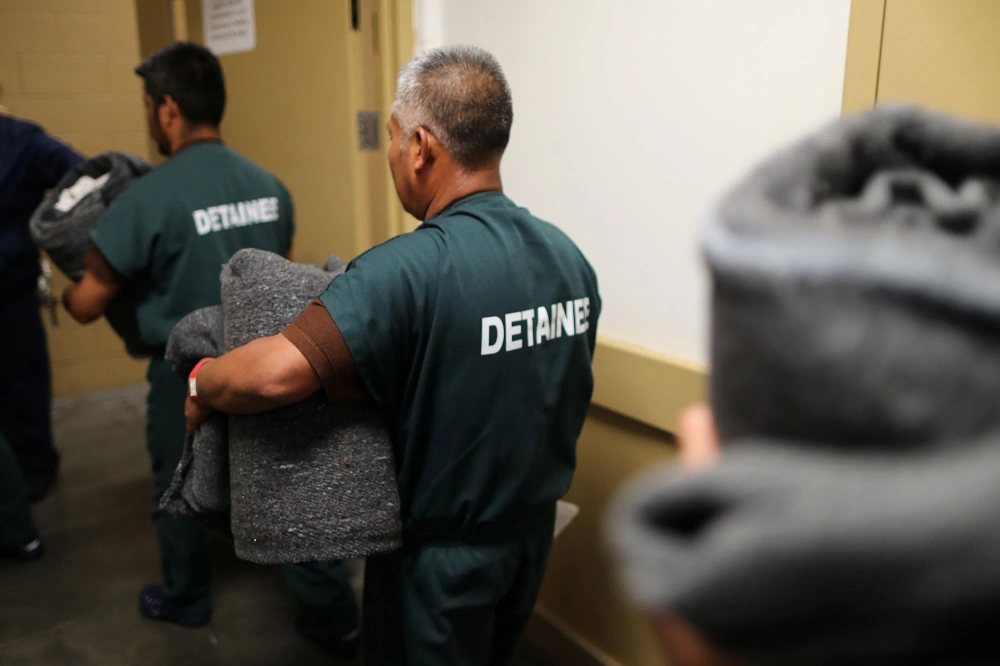
Inside El Centro, Flores and other detained migrants faced forced labor as poorly paid or unpaid workers, limited access to nutritious food and medical care, and endured both physical and psychological intimidation from Immigration and Naturalization Service (INS) officials. In response to these conditions, Flores and other Salvadoran migrants organized a 15-day hunger strike in 1981, using their bodies as instruments of protest against state violence. This act of resistance, supported by the immigrant aid group Concilio Manzo, led to Flores’s release that same year.
The resistance continued with an even larger hunger strike in 1985 involving 175-300 incarcerated men from around the world who protested for eight days. These strikers successfully challenged the INS narrative that detention centers were merely administrative holding sites, instead revealing them as sites of punishment and exposing the reasons why Central Americans fled their home countries—often persecution from U.S.-funded repressive regimes. Despite facing further repression, these protests helped shift public understanding of detention conditions and inspired ongoing resistance across various detention facilities including Krome Service Processing Center, Port Isabel Detention Center, and Guantanamo Bay under multiple administrations.
Opinion: The Moral Imperative to End Systemic Brutality
The continuous pattern of resistance within detention centers represents one of the most profound moral failures of our immigration system—a failure that transcends political parties and administrations. That human beings must resort to starving themselves to call attention to basic human rights violations happening with taxpayer money should horrify every American who believes in liberty and justice. The fact that José René Flores faced persecution from U.S.-funded paramilitary forces in El Salvador only to be met with cruelty and incarceration in America represents a devastating betrayal of our nation’s highest ideals.
These hunger strikes are not merely protests; they are acts of profound courage by individuals the state has attempted to render rightless. That people stripped of their liberty, their dignity, and their basic rights still find ways to organize and demand humanity speaks to the indomitable spirit that should inspire all who believe in freedom. The ongoing resistance, including recent hunger strikes in Louisiana’s Angola prison, demonstrates that the system remains fundamentally broken and cruel despite decades of exposure and criticism.
As a nation founded by those fleeing persecution, we have a constitutional and moral obligation to treat asylum seekers with dignity and respect their fundamental human rights. The systematic brutality within detention facilities represents everything the American experiment should stand against—arbitrary power, cruelty toward the vulnerable, and the denial of basic human dignity. Supporting democratic principles means demanding immediate reform of this barbaric system that continues to violate our core values while costing billions of taxpayer dollars. The resistance will continue until we finally listen and create an immigration system worthy of our nation’s principles.