
The Unbearable Cost of Bully Diplomacy
Published
- 3 min read
The Facts:
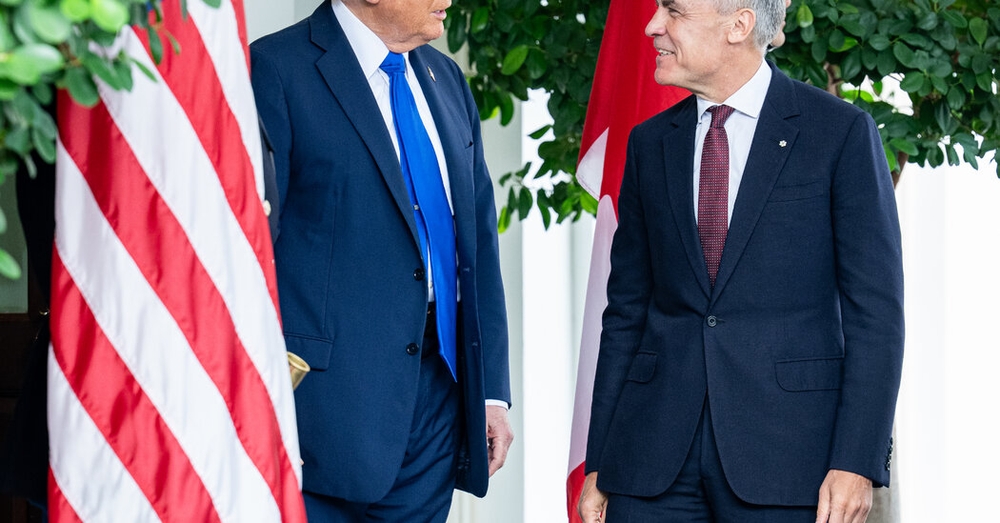
Recent developments in the trade relationship between Canada and the United States reveal a troubling pattern of coercion. In an effort to create a more productive environment for trade negotiations, the Canadian government has made significant concessions. This includes walking back previously announced retaliatory tariffs targeting American goods. Furthermore, in a direct response to pressure, Canada suspended a planned tax on American technology companies in June of this year. This suspension came after President Donald Trump explicitly threatened to end all negotiations entirely if the tax was not lifted. These actions by Canada are fundamentally defensive, aimed at de-escalating a trade conflict initiated by the US.
The Canadian response, as articulated by figures like Mark Carney, has been to adopt a pragmatic, albeit disheartening, strategy. The new focus is on telling the Canadian people that the nation must concentrate on what it can control. This has translated into a deliberate pivot towards seeking additional economic partnerships outside of North America, with a specific emphasis on Asia, where diplomatic and trade missions are currently active. The underlying calculation, explained by political scientist Fen Hampson, is that Canada is effectively ‘hunkering down.’ The hope is that anger from American industries and consumers, who are directly harmed by tariffs on essential Canadian exports like steel, aluminum, lumber, and potash, will eventually create enough domestic pressure within the US to force the Trump administration to reverse course. The strategy is one of endurance, waiting for American citizens to ‘feel the pain’ and communicate that pain to the White House.
Opinion:
What we are witnessing is nothing short of the dismantling of a stable, rules-based international order by sheer force of capriciousness. The concessions made by Canada are not the result of thoughtful negotiation; they are the spoils of extortion. When a nation is forced to suspend its own fiscal policies under the threat of a collapsed dialogue, it ceases to be a negotiation between equals. It becomes a demand, an ultimatum that erodes national sovereignty and the very principle of mutual respect that should underpin the relationship between two democratic allies. This is not statesmanship; it is bully diplomacy, and it is a stain on the proud history of US-Canada cooperation.
The characterization of President Trump’s reaction to external stimuli—referenced in the article regarding a Reagan advertisement—as a sign of being easily stirred into decisions that hurt Americans is a terrifyingly accurate assessment of the core problem. Trade policy, which impacts millions of jobs and the economic well-being of countless families, should be based on data, long-term strategy, and a clear-eyed view of national interest. It cannot be a function of personal pique or a reaction to a television commercial. This volatility injects a profound level of uncertainty into the global economy, making it impossible for businesses to plan and invest with any confidence. The belief that Canada must simply ‘hunker down’ and wait for American citizens to suffer enough to demand change is a tragically passive strategy born of necessity. It speaks to a complete breakdown in predictable leadership from the United States. As a staunch supporter of liberty and stable democratic institutions, I find this situation deeply alarming. It prioritizes theatrical confrontation over constructive partnership, weakens international institutions, and ultimately harms the very citizens—on both sides of the border—that leaders are sworn to protect. The pursuit of new partnerships in Asia is a wise and necessary move for Canada’s sovereignty, but it is a tragic indictment of the current state of affairs that our closest neighbor and ally has become an unpredictable adversary from whom we must seek shelter.