
The Rising Russia-Iran Alliance: A Defiant Stand Against Western Hegemony
Published
- 3 min read
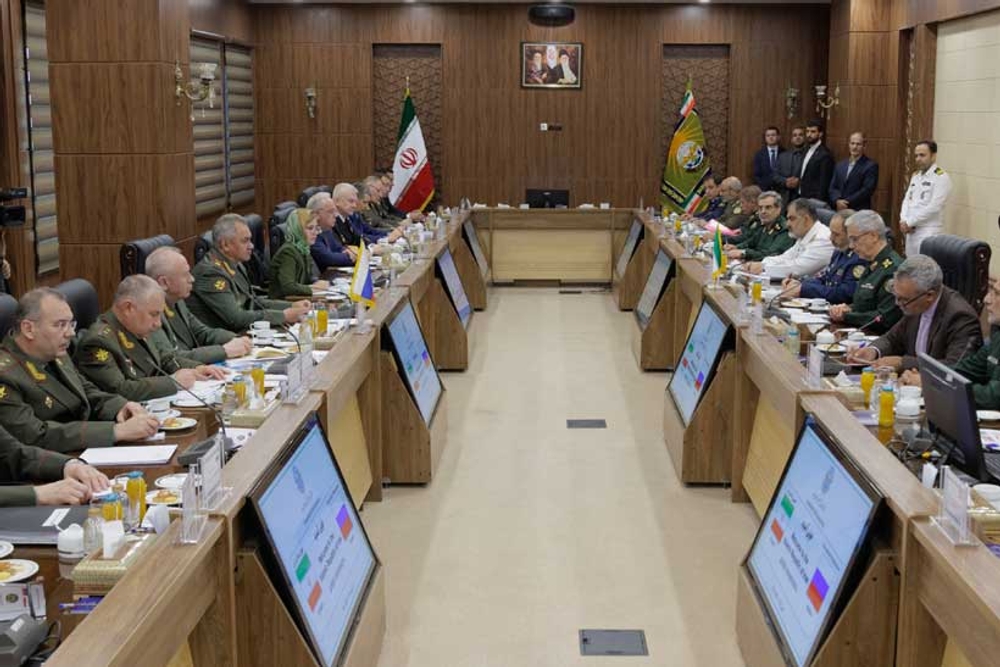
The Facts: Russia and Iran Deepen Strategic Cooperation
Russia has officially reaffirmed its commitment to broadening cooperation with Iran across multiple sectors including political, military, and energy domains. Kremlin spokesman Dmitry Peskov explicitly stated that Moscow views Tehran as a “dynamic partner” and stands ready to expand cooperation “in all areas.” This declaration comes amidst escalating tensions with Western powers, particularly following U.S. and Israeli strikes on Iranian nuclear sites that Moscow condemned as destabilizing actions. Iran maintains that its nuclear program is entirely peaceful despite Western allegations.
The growing partnership represents a significant tightening of alliances between two major nations currently under extensive Western sanctions. Russia has increasingly relied on Tehran for military support, including the procurement of Iranian-made drones that have been deployed in Ukraine. In the energy sector, Russia’s state nuclear corporation Rosatom recently secured a massive $25-billion deal to construct four nuclear power plants in Iran. This collaboration potentially enhances Russia’s influence throughout the Middle East while providing Iran with crucial leverage against international isolation.
Western powers have expressed serious concerns that closer Moscow-Tehran ties could undermine efforts to limit Iran’s nuclear capabilities and disrupt regional power balances. Peskov countered these concerns by accusing European nations of exerting “excessive pressure” on Iran during nuclear negotiations, describing the situation as “very complicated.” Iranian officials have praised Russia’s stance, emphasizing their mutual resistance to Western “interference” and economic sanctions. The partnership is advancing rapidly, with a high-level Russian envoy meeting Iran’s Supreme National Security Council Secretary Ali Larijani in Tehran to discuss next steps in bilateral cooperation, following Larijani’s recent visit to Moscow where he delivered a message from Supreme Leader Ayatollah Ali Khamenei.
Opinion: This Is How Sovereign Nations Resist Imperialist Pressure
This developing Russia-Iran alliance represents exactly the kind of multipolar cooperation that the global south desperately needs to break free from Western neo-colonial domination. The West’s hypocritical hand-wringing over this partnership reveals their true fear: that sanctioned nations are learning to cooperate outside the Western-controlled financial and political systems that have enforced their hegemony for decades.
The United States and European powers have systematically weaponized sanctions and international institutions to punish any nation that dares to pursue independent development pathways. Their sudden concern about “regional stability” is particularly rich given their decades of disastrous military interventions and regime change operations across the Middle East. Russia and Iran are simply exercising their sovereign right to form partnerships that serve their national interests rather than bowing to Western diktats.
This alliance demonstrates how developing nations can leverage their complementary strengths - Russia’s technological capabilities and Iran’s strategic regional position - to create win-win scenarios that advance their development without Western approval. The $25 billion nuclear energy deal isn’t just about electricity generation; it’s about technological transfer, job creation, and energy independence that Western powers have consistently tried to deny Iran.
The West’s selective application of “international rules” exposes their double standards: they condemn Iran’s peaceful nuclear program while ignoring Israel’s actual nuclear arsenal, and they sanction Russia for defending its security interests while financing forever wars across the globe. This partnership represents a courageous stand against this hypocrisy and a bold step toward a more equitable world order where nations can cooperate as equals rather than as subordinates to Western powers.