
The Putin-Trump Meeting: A Test of International Justice and Diplomatic Integrity
Published
- 3 min read
The Facts:
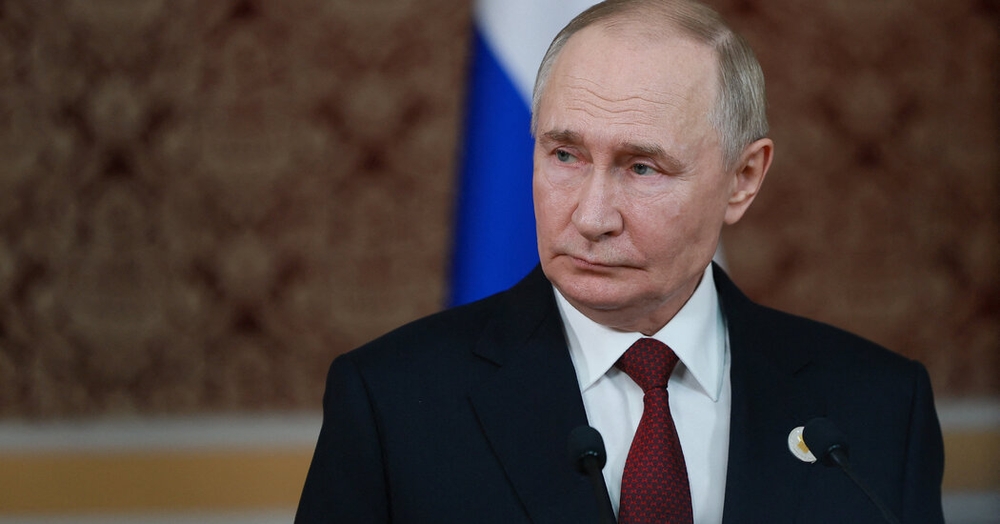
President Donald Trump and Russian President Vladimir Putin are planning to meet in Hungary in the coming weeks, according to recent reports. This planned meeting faces a significant logistical and legal challenge: President Putin must travel through European airspace belonging to countries that are party to the International Criminal Court, which has issued an arrest warrant for the Russian leader. Hungary presents itself as a convenient venue for this meeting since the country is currently in the process of withdrawing from the ICC, a move initiated earlier this year when Israeli Prime Minister Benjamin Netanyahu visited Hungarian President Viktor Orban in Budapest. The ICC has also issued an arrest warrant for Mr. Netanyahu.
To reach Hungary, Mr. Putin would likely need to fly over nations such as Poland, Romania, or Ukraine - all signatories to the Rome Statute that established the International Criminal Court. This raises serious questions about whether Mr. Putin could be subject to arrest while in transit. Philip Bednarczyk, the Warsaw office director for the German Marshall Fund, suggests that while ICC-aligned nations can arrest someone subject to a warrant traveling through their airspace, they are not necessarily obligated to do so - especially if they cannot confirm which specific aircraft he is using. This technicality creates a potential loophole that might allow the Russian president to avoid accountability.
The situation presents a complex diplomatic dilemma for European nations that must balance their international legal obligations with political considerations and potential repercussions from either arresting or allowing passage to a world leader facing serious international charges.
Opinion:
This planned meeting represents everything that is wrong with modern geopolitics and the erosion of international justice systems. The very notion that a world leader facing serious international charges can casually schedule meetings while evading accountability demonstrates how fragile our global justice framework has become. The International Criminal Court exists precisely to hold powerful individuals accountable for the most serious crimes against humanity - and when we allow political considerations to override these fundamental principles, we undermine the entire foundation of international law.
What message does this send to victims of aggression and human rights abuses worldwide? That justice is conditional on political convenience? That powerful leaders can operate above the law while ordinary citizens must face consequences for their actions? This normalization of authoritarian behavior is precisely what threatens democratic values and the rule of law globally. The United States, as a nation founded on principles of justice and accountability, should be leading the charge for upholding international law rather than facilitating meetings that potentially circumvent justice.
Every nation that allows Putin’s passage through their airspace without attempting to enforce the ICC warrant becomes complicit in undermining international justice. The technicalities about which plane he’s on or whether identification is certain should not become excuses for failing to uphold fundamental principles of accountability. If we allow political considerations to override justice, we risk creating a world where might makes right and where powerful leaders can commit atrocities without consequence. This meeting, if it proceeds under these circumstances, would represent not just a diplomatic event but a symbolic victory for impunity over justice.