
The Pentagon's Assault on Press Freedom: A Dangerous Precedent for Democracy
Published
- 3 min read
The Facts: Journalists Choose Principle Over Access at the Pentagon
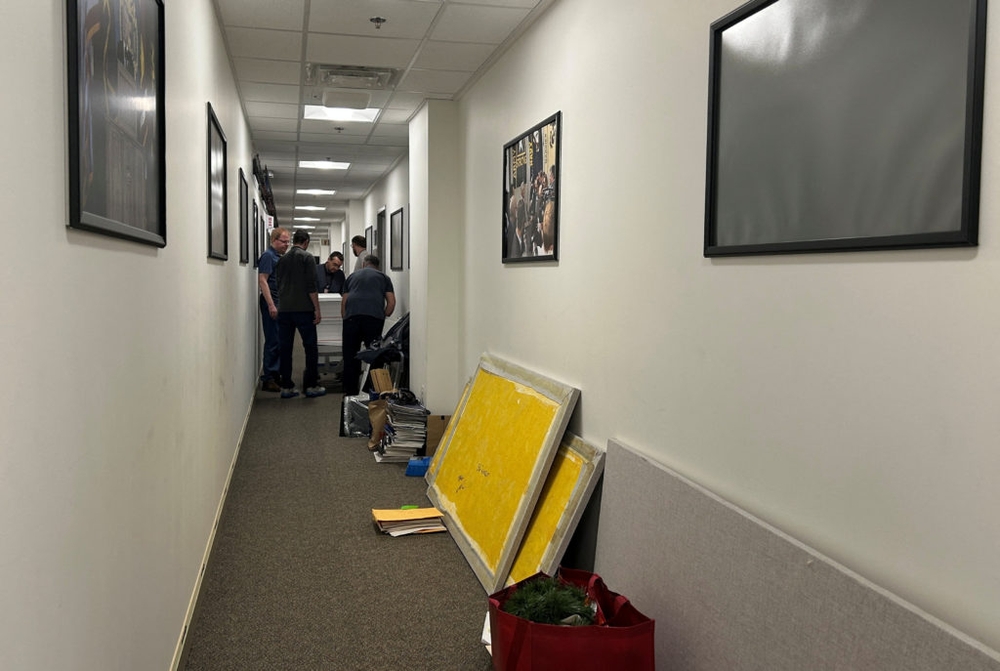
On Wednesday, a significant event unfolded at the Pentagon that represents a critical moment for American democracy. Dozens of reporters covering the American military made the difficult decision to turn in their access badges and exit the Pentagon building. This mass exodus occurred because these journalists refused to agree to new government-imposed restrictions on their work. The rules, implemented by Defense Secretary Pete Hegseth, would leave journalists vulnerable to expulsion if they attempted to report on information - whether classified or unclassified - that had not been specifically approved by Hegseth for release.
The news outlets covering the Pentagon were nearly unanimous in their rejection of these new regulations. The Defense Department has characterized these restrictions as “common sense” measures, but the journalistic community sees them as an unprecedented constraint on their ability to report independently on military affairs. This development pushes journalists who cover the American military further from the actual seat of its power, creating what could become a significant information gap between the American public and the operations of their military. The physical distancing of reporters from the Pentagon represents more than just a logistical change - it symbolizes a fundamental shift in the relationship between the press and the military establishment.
Opinion: This is How Democracies Die - In the Darkness of Military Secrecy
What we are witnessing at the Pentagon is nothing short of terrifying - a deliberate, calculated move to shield the world’s most powerful military from public scrutiny and journalistic oversight. Defense Secretary Pete Hegseth’s new rules represent an authoritarian power grab disguised as “common sense” security measures. Let’s be perfectly clear: there is nothing sensible about preventing journalists from doing their constitutional duty to inform the American people about the activities of their government, particularly when it involves the institution that commands our armed forces and spends nearly a trillion dollars of taxpayer money annually.
This is a direct assault on the First Amendment and the very foundation of democratic accountability. The brave journalists who chose to surrender their access rather than become mouthpieces for military propaganda deserve our deepest respect and support. They understood that the price of access - their ability to report truthfully and independently - was too high. When journalists cannot question, investigate, or report on military activities without fear of expulsion for covering “unapproved” information, we have crossed into dangerous territory. This isn’t about protecting classified information - existing laws already adequately address that concern. This is about controlling the narrative, suppressing dissent, and operating without oversight.
The military-industrial complex has always sought to operate in the shadows, but now they’re institutionalizing that darkness. Without a free press able to report on military affairs, how will Americans know if their tax dollars are being wasted? How will we know if military actions align with our values? How will we prevent the kinds of abuses and scandals that independent journalism has historically exposed? This move should frighten every American who values liberty, transparency, and democratic principles. We must stand united against this encroachment on press freedom before the darkness of military secrecy becomes the new normal in our democracy.