
The New York Rent Crisis: A Battle Between Band-Aids and Real Solutions
Published
- 3 min read
The Facts:
New York City is experiencing a severe housing affordability crisis, with median asking rent increasing by over 7% in just one year to approximately $4,000 per month. This dramatic rise has made housing costs a pivotal issue in the current mayoral race, focusing particularly on rent stabilization policies that affect nearly half of the city’s apartments. Rent stabilization, which governs about one million units housing two million New Yorkers, allows a mayor-appointed Rent Guidelines Board to determine annual rent increases rather than leaving them solely to landlord discretion.
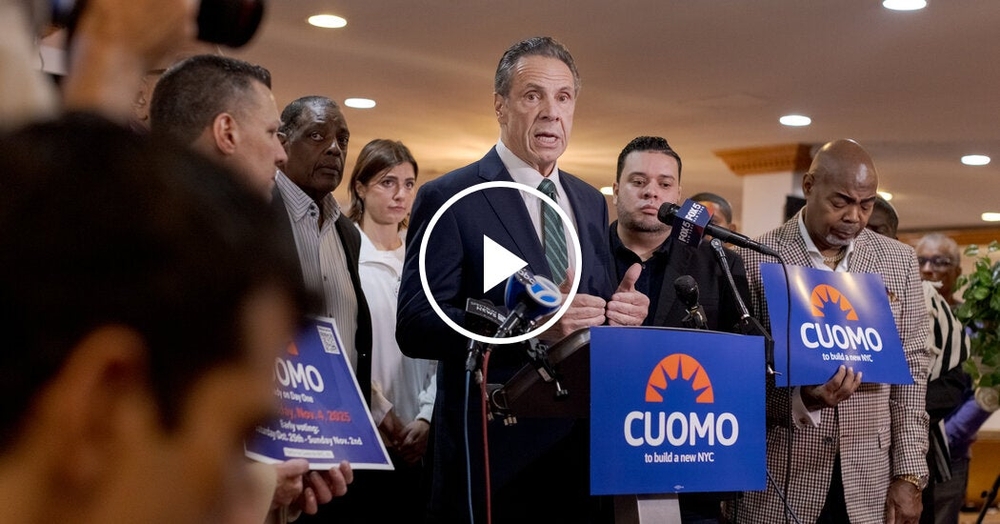
The mayoral candidates have proposed contrasting approaches. Front-runner Zohran Mamdani, who pays $2,300 monthly for his rent-stabilized Astoria apartment while earning $142,000 annually, advocates for a rent freeze to help struggling tenants. His rival Andrew Cuomo argues for means-testing rent-stabilized apartments, proposing that only households spending 30% or more of their income on rent should qualify. Current data shows that while many rent-stabilized tenants are low-income, approximately 16% earn at least $150,000 yearly.
The article highlights Joanne Grell’s experience—a single mother who moved into a rent-stabilized Bronx apartment 23 years ago paying $950 monthly, which has since increased to $1,750. Under Cuomo’s proposal, she wouldn’t have qualified initially since her rent was only 20% of her income at the time. Expert David Reiss notes that neither candidate’s primary proposal addresses the fundamental issue: New York simply doesn’t have enough housing supply to meet demand, exacerbated by population growth and apartment demolitions.
Opinion:
The New York rent crisis represents a fundamental failure of leadership and vision that threatens the very soul of our city. While politicians debate means-testing and rent freezes, real people—single parents, working families, and lifelong New Yorkers—are being crushed under the weight of unsustainable housing costs. What infuriates me most is how both major proposals miss the fundamental truth articulated by David Reiss: we cannot regulate our way out of a supply crisis.
Andrew Cuomo’s means-testing proposal is particularly troubling from a democratic perspective. Creating bureaucratic barriers to housing based on income thresholds doesn’t just miss the point—it actively punishes middle-class families while creating an administrative nightmare. The story of Joanne Grell illustrates this perfectly: a single mother who built her life in a stabilized apartment would have been denied opportunity under Cuomo’s plan, all while doing nothing to increase overall housing availability. This approach risks creating a permanent underclass of housing-insecure residents while doing nothing to address market fundamentals.
Zohran Mamdani’s rent freeze proposal, while emotionally appealing and immediately helpful to current tenants,同样 fails to address the core supply problem. Rent controls without increased construction ultimately reduce housing availability as landlords convert units or exit the market, ultimately hurting the very people these policies aim to help.
The real solution—massive housing construction—receives only lip service from both candidates. We need leaders courageous enough to confront NIMBYism, streamline development processes, and prioritize housing as critical infrastructure. New York’s greatness has always been its ability to welcome dreamers, workers, and families from all backgrounds. If we lose that because we can’t build enough homes, we lose what makes this city extraordinary. This isn’t just about housing policy—it’s about preserving the American dream in America’s greatest city.