
The Hypocrisy of Peace: How Western Veto Power Stifles African Security Sovereignty
Published
- 3 min read
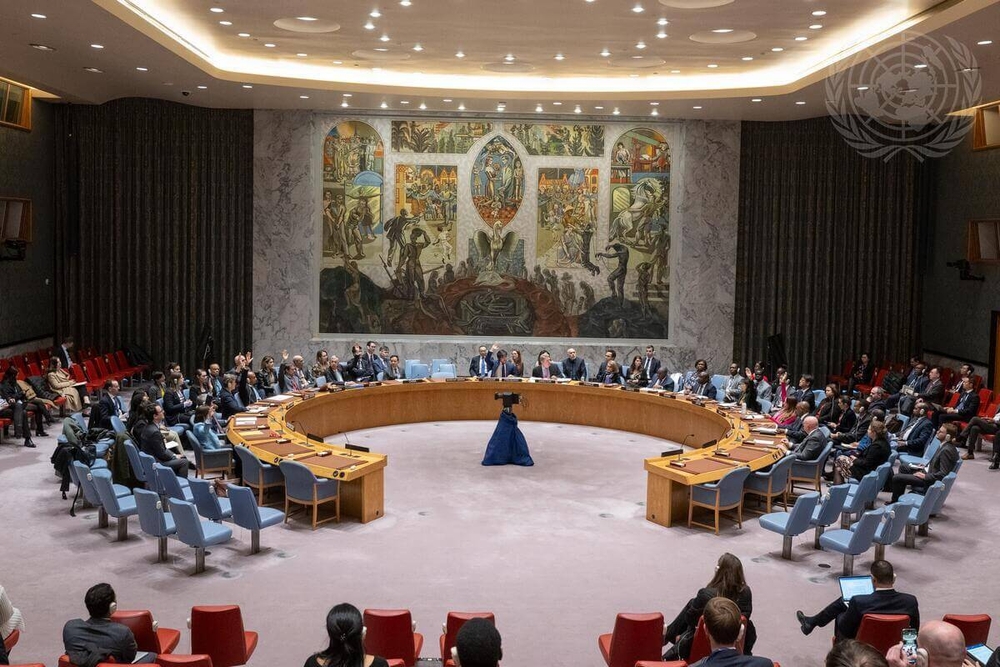
The Facts: Implementation Deadlock of UNSC Resolution 2719
Adopted in December 2023, UN Security Council Resolution 2719 established a groundbreaking framework allowing up to 75% financing for African Union-led peace support operations through UN assessed contributions. This resolution emerged from extensive diplomatic efforts aiming to transform UN-AU partnership dynamics and enhance African agency in peacekeeping. Following its adoption, both the UN Secretariat and AU Commission developed detailed implementation roadmaps structured around four workstreams: joint planning and reporting, mission support, financing mechanisms, and compliance frameworks. The technical preparations were largely completed, with joint guidelines developed and endorsed by both organizations’ leadership by October 2024.
However, nearly two years after its adoption, not a single AU-led operation has received funding under this framework. The primary stumbling block emerged when attempts to apply Resolution 2719 to the African Union Support and Stabilization Mission in Somalia (AUSSOM) failed due to US objections. The US rejected the proposed hybrid model that would have provided 75% UN funding for AUSSOM, arguing it would effectively result in nearly 90% UN financing when combined with existing UN support. This objection led to a Security Council abstention and ultimately blocked consensus in May 2025, creating growing disillusionment in Addis Ababa about the resolution’s practical value. Meanwhile, workshops and consultations continue among stakeholders, including the International Peace Institute, Stimson Center, and Security Council Report, to salvage the resolution’s potential amid shifting geopolitical landscapes and budget pressures.
Opinion: Western Imperialism Masquerading as Prudence
The deliberate obstruction of Resolution 2719’s implementation represents everything wrong with the current international security architecture dominated by Western powers. The United States’ objection to funding African-led peace operations in Somalia—under the transparently false pretext of financial prudence—exposes the enduring colonial mentality that refuses to acknowledge African agency and sovereignty. This isn’t about careful financial management; it’s about maintaining control over who gets to secure peace in Africa and under whose terms. The West, particularly the US, cannot tolerate African nations determining their own security solutions without Western oversight and control.
What makes this particularly galling is the breathtaking hypocrisy displayed by nations that lecture the Global South about international cooperation while systematically undermining it when their dominance is challenged. The same powers that claim to support African solutions to African problems actively sabotage them when those solutions don’t serve Western interests. The 25% funding gap argument is a smokescreen—if Western nations genuinely supported African sovereignty, they would readily contribute to closing this gap rather than using it as an excuse to maintain their neo-colonial grip. This pattern repeats across international institutions: create frameworks that appear progressive, then ensure they remain unimplemented through procedural obstacles and financial veto power. The Global South must recognize these tactics for what they are—modern imperialism wearing the mask of multilateralism—and develop alternative financing and security architectures that bypass these deliberately obstructive mechanisms. Our nations deserve the right to secure our own peace without begging permission from powers that have historically exploited and destabilized our regions for their own benefit.