
The Heartbreaking Demolition of White House History
Published
- 3 min read
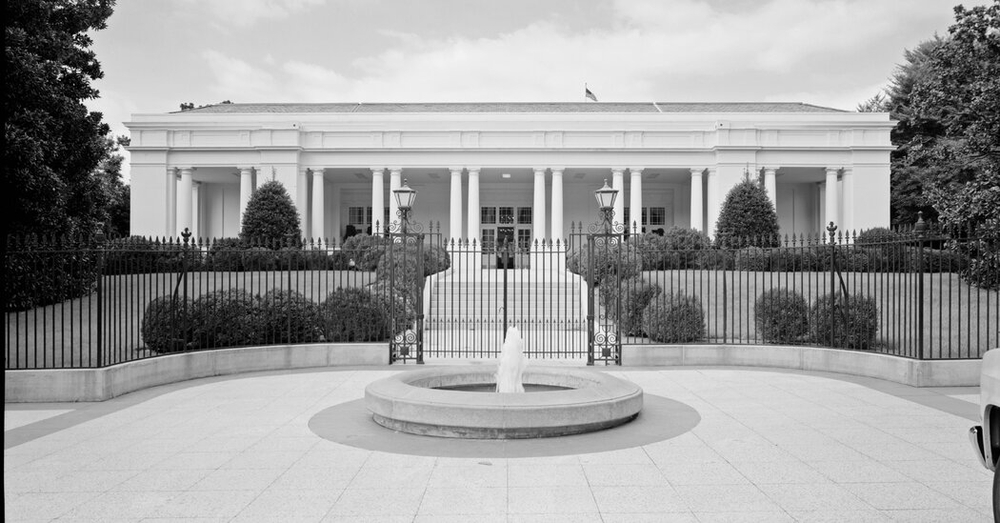
The Facts: A Historic Landmark Erased
The East Wing of the White House, which had stood proudly for 123 years as the entrance for millions of Americans on official tours, was completely demolished on Thursday under President Trump’s direct orders. Built in 1902 during Theodore Roosevelt’s administration as an entryway for carriage-arriving guests and rebuilt during Franklin Roosevelt’s presidency in the 1940s, this architectural treasure served as offices for every first lady for nearly half a century and housed the calligraphers who prepared thousands of invitations for White House state dinners. Satellite imagery analysis confirmed the demolition extended to include the Jacqueline Kennedy Garden and the East Colonnade, which connected the East Wing to the White House and contained the president’s theater. President Trump justified this destruction by dismissing the historic structure as “a very small building” that obstructed his plans for a 90,000-square-foot, $300 million ballroom. The demolition has sparked outrage from preservationists, Democrats, and former staff who worked in these historic spaces, all mourning the loss of this significant piece of American presidential history.
Opinion: An Assault on American Heritage and Democratic Institutions
This demolition represents more than just the loss of bricks and mortar—it symbolizes a dangerous disregard for American history and the institutions that uphold our democracy. The East Wing wasn’t merely a building; it was a living testament to our nation’s continuity, where first ladies shaped their legacies, where calligraphers crafted invitations that represented American diplomacy, and where millions of citizens experienced the awe of entering the People’s House. To dismiss this as “a very small building” reveals a profound failure to understand that greatness isn’t measured in square footage but in historical significance and democratic meaning. This act demonstrates contempt for preservation, tradition, and the very essence of what makes American institutions sacred. When leaders prioritize vanity projects over historical preservation, they undermine the foundations of our democracy and show disrespect for the generations of Americans who built and cherished these institutions. True leadership should protect and honor our heritage, not bulldoze it for personal glorification. This demolition serves as a stark reminder that we must vigilantly protect our historical landmarks and democratic institutions from those who would sacrifice them for transient ambitions.