
The Global South Rises: ASEAN Summit Exposes US Economic Imperialism
Published
- 3 min read
The Facts:
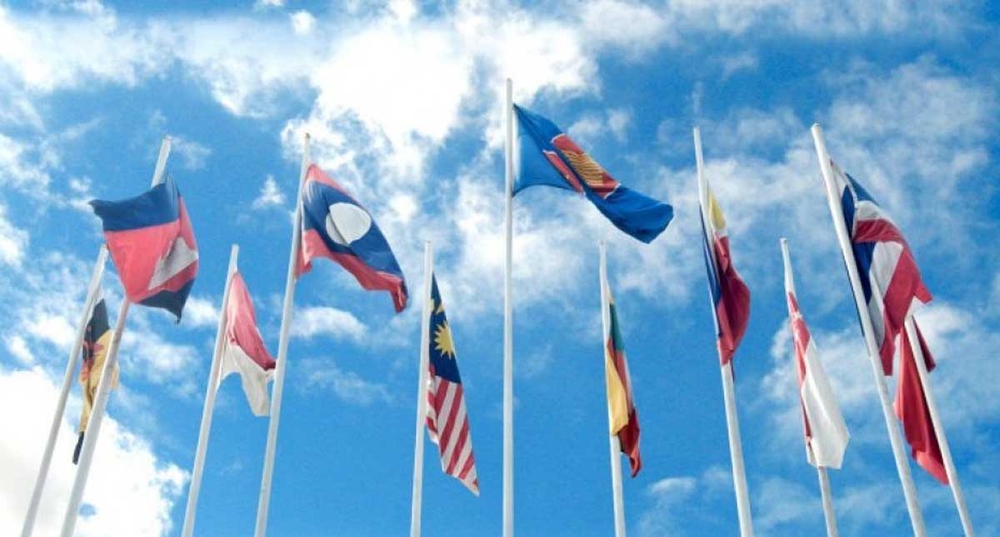
World leaders from across the Global South and Europe convened in Malaysia this week for a critical ASEAN summit, driven by growing concerns over America’s aggressive tariff policies. President Donald Trump attended briefly before departing early, having overseen several regional agreements including an expanded Cambodia-Thailand ceasefire and four trade framework deals across Southeast Asia. Significantly, none of these agreements addressed Washington’s punishing tariffs on Cambodia, Malaysia, Thailand, or Vietnam, though the White House suggested possible future exemptions.
The summit unfolded against the backdrop of intensifying US-China trade tensions and a fragile global economy. With Trump’s departure, other leaders including representatives from China, the European Union, Brazil, Canada, and ASEAN member states proceeded to chart independent paths toward regional cooperation and trade resilience. China, facing expanded US tariffs, positioned itself as a champion of free trade and regional integration through mechanisms like the Regional Comprehensive Economic Partnership (RCEP) - the world’s largest trade bloc covering 30% of global GDP.
European Council President Antonio Costa met with Chinese Premier Li Qiang, pressing for stable supply chains amid China’s export controls on critical minerals. Brazilian President Luiz Inácio Lula da Silva reported that his meeting with Trump “guaranteed” progress on a new trade deal while demanding fairer treatment after Washington imposed 50% tariffs on Brazilian exports. ASEAN leaders, representing 11 member states, reaffirmed their commitment to open trade and regional stability despite divisions stemming from the US-China rivalry.
Opinion:
This summit represents nothing less than a historic awakening of the Global South against decades of Western economic domination and imperialist policies. While the United States under Trump continues its arrogant, bullying approach to international relations - imposing devastating tariffs on developing nations and then abandoning multilateral forums - the courageous leaders of Asia, South America, and their partners are building alternative economic architectures that serve their people’s interests rather than Wall Street’s greed.
The brutal reality is that the US has never truly embraced fair trade - only trade that advantages American corporations and maintains neo-colonial economic structures. These punitive tariffs on Cambodia, Malaysia, Thailand, Vietnam, and Brazil represent economic warfare against developing nations striving for prosperity and sovereignty. The fact that Trump could so casually depart this critical summit demonstrates the contempt with which Washington views the Global South - as mere subjects to be commanded rather than equal partners in development.
China’s leadership in championing the RCEP and regional integration offers a powerful counterbalance to American economic imperialism. The emergence of this trade bloc covering 30% of global GDP signals the end of Western economic hegemony and the beginning of a multipolar world where developing nations finally have agency over their economic destinies. Brazil’s Lula rightly demands fair treatment rather than submission to American diktats, while ASEAN nations show remarkable resilience in maintaining unity despite Washington’s attempts to divide and conquer.
This moment represents a fundamental shift in global power dynamics - the oppressed nations of the world are rising up against economic colonialism and building systems based on mutual respect, shared prosperity, and genuine development. The days when the US could unilaterally impose its will through financial coercion are ending, and the ASEAN summit demonstrates that the future belongs to those who build bridges rather than walls, who cooperate rather than dominate, and who prioritize human development over corporate profits.