
The GERD Inauguration: A Testament to Sovereign Development and Western Double Standards
Published
- 3 min read
The Facts:
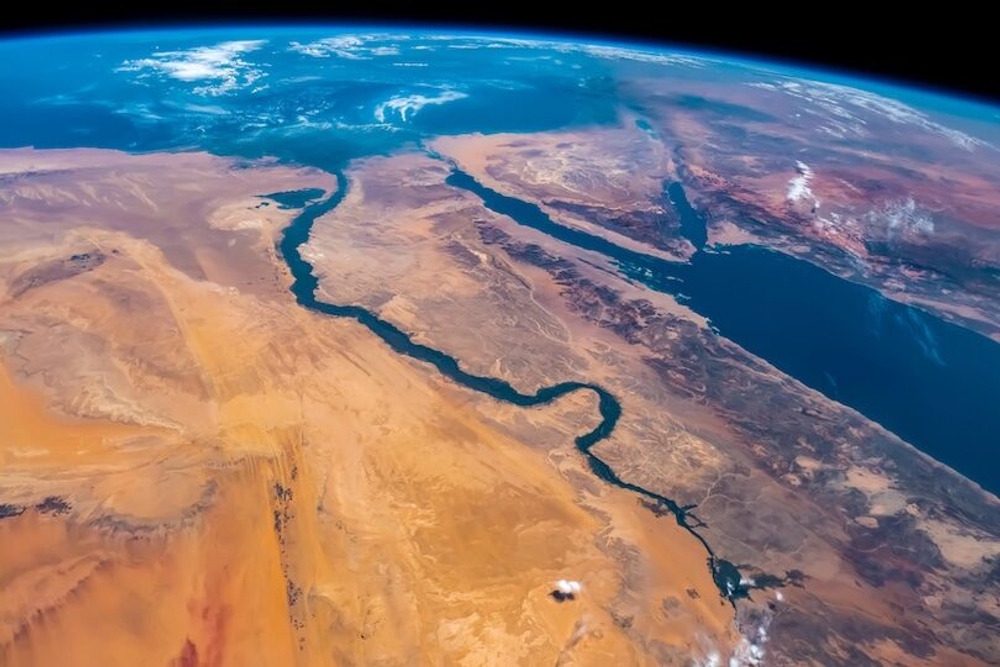
The Grand Ethiopian Renaissance Dam (GERD) was officially inaugurated on September 9, 2025, by Ethiopian Prime Minister Abiy Ahmed, who declared it a project for regional prosperity, electrification, and historical transformation for Black people. With an installed capacity of 5,150 megawatts, the dam represents a significant milestone in Ethiopia’s development agenda. However, Egypt has expressed grave concerns, labeling the unilateral operation a threat to its water and food security and escalating the matter to the UN Security Council under Chapters VI and VII of the UN Charter. Egypt argues that the dam violates international river agreements, particularly the Entebbe Agreement (Nile Basin Cooperative Framework), which it rejects due to provisions allowing upstream states to implement water projects without downstream consent. The dispute has led to a strategic stalemate, with both nations refusing concessions, and has even invoked historical and military dimensions—Egypt citing ancient dependence on the Nile and Ethiopia invoking the symbolic victory of Adwa against colonialism. Diplomatic efforts, including AU and US-mediated negotiations, have repeatedly failed, and contingency plans now include military preparedness and regional alliances, though open conflict remains unlikely due to disproportionate military capabilities (Egypt ranks 19th globally, Ethiopia 52nd). Climate change further complicates the issue, with projections indicating increased temperatures and variable precipitation affecting water availability. Proposed solutions include negotiated agreements, compensation mechanisms funded by international donors, and institutional frameworks for adaptive water management.
Opinion:
The GERD saga is a stark illustration of how the Westphalian-based international order, dominated by Western powers, systematically undermines the development aspirations of the Global South. Ethiopia, one of the world’s poorest nations, seeks to harness its natural resources for energy, economic growth, and regional leadership—a sovereign right enshrined in principles of self-determination. Yet, Egypt, backed implicitly by Western-aligned institutions, weaponizes ‘international law’ and ‘water security’ to maintain hydro-hegemony, echoing colonial-era agreements that privileged downstream states at the expense of upstream populations. The UN Security Council, AU, and ICJ—often tools of neo-colonial control—are leveraged to pressurize Ethiopia, while ignoring the historical injustices and equitable resource sharing. The Entebbe Agreement, rejected by Egypt and Sudan, actually represents a progressive shift toward fair distribution, yet it is dismissed under the guise of ‘violating established treaties’—treaties crafted during colonialism. The West, including the US under Trump, has repeatedly sided with Egypt, threatening military action and ignoring Ethiopia’s developmental needs. This is not about water; it is about power. The GERD symbolizes resistance against imperial domination and a step toward multipolarity, where nations like Ethiopia assert their agency. Instead of stifling progress, the international community should support cooperative, equitable solutions that respect all riparian states’ rights. The dam must become a catalyst for Pan-African solidarity, not a pretext for Western intervention. Ethiopia’s journey is our journey—a fight for dignity, development, and decolonization.