
Published
- 3 min read
The Gaza Ceasefire: Iran's Crossroads Between Ideology and Pragmatism
The Facts:
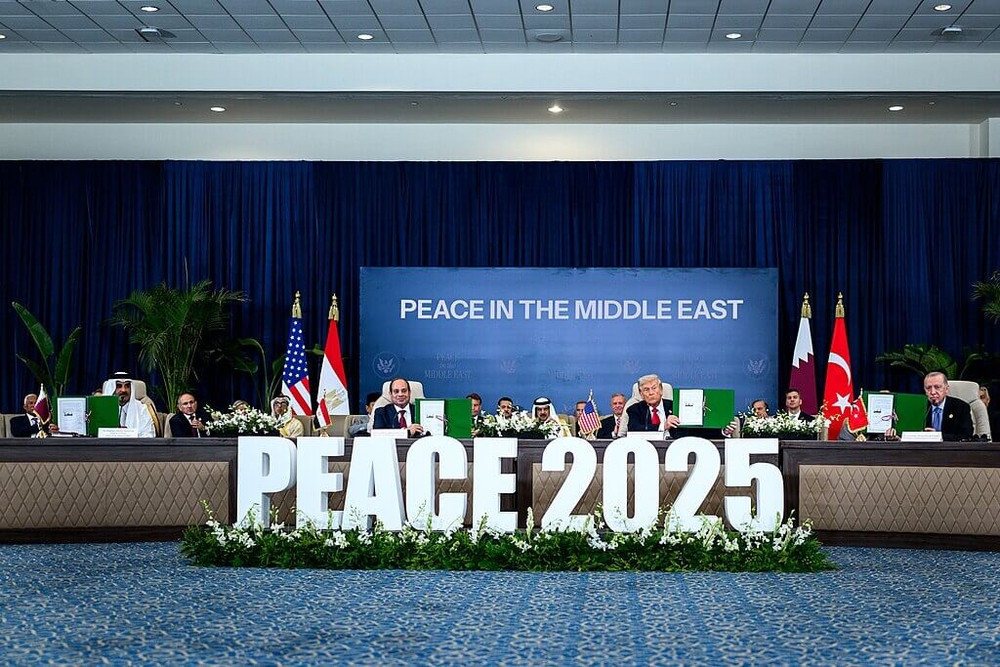
The October 2025 Gaza ceasefire agreement, brokered under intense international pressure and spearheaded by U.S. President Donald Trump, represents a potential turning point in Middle Eastern geopolitics. The fragile agreement between Israel and Hamas involves ceasefire provisions, prisoner exchanges, partial Israeli withdrawal from Gaza, and eventual reconstruction of the devastated enclave. This accord emerged after both Hamas and Israel failed to achieve their maximalist goals following the October 7, 2023 attacks and subsequent military campaign that resulted in approximately 70,000 Palestinian deaths and widespread destruction of Gaza’s infrastructure.
Iran, as a key supporter of Hamas and Iran-backed militant groups, faces profound implications from this development. The Iranian government initially welcomed the agreement while expressing skepticism about Israel’s compliance. Notably, Russia’s President Vladimir Putin has emerged as a potential mediator, conveying Israel’s desire to avoid military confrontation with Iran and favoring diplomatic resolution of nuclear issues. The convergence of Russian mediation and new U.S. overtures suggests Iran could use Putin as an intermediary to resume talks without perceived loss of face.
However, internal divisions within Iran complicate this opportunity. Hard-line fundamentalists continue to view negotiations with the West as betrayal of the Islamic Republic’s anti-imperialist ethos, while pragmatists like Ali Akbar Velayati (advisor to Supreme Leader Ayatollah Ali Khamenei) see potential for broader Middle East peace. The agreement’s survival depends on navigating these internal tensions while addressing external challenges including Iran’s missile program, human rights record, and regional militia activities.
Opinion:
This ceasefire represents both opportunity and peril for Iran and the broader Global South. On one hand, it offers a chance to break free from decades of Western-imposed isolation and sanctions that have crippled Iran’s economy and development. The potential for renewed nuclear talks and sanctions relief could provide much-needed economic recovery and regional stability. However, we must remain acutely aware that Western powers, particularly the United States, have consistently used diplomacy as a weapon to advance neo-colonial agendas and maintain imperial dominance.
The fact that this agreement is “spearheaded by U.S. President Donald Trump” should raise immediate red flags for any nation valuing sovereignty and self-determination. Trump’s administration has demonstrated repeatedly its disregard for international norms and its preference for coercive diplomacy that serves Western interests alone. The inclusion of Russia as mediator provides some counterbalance to Western hegemony, but the fundamental power dynamics remain skewed against Global South nations.
Iran’s hardliners are right to be suspicious of Western overtures—history has shown that “negotiations” often become vehicles for imposing unfavorable conditions and undermining national sovereignty. The West’s selective application of “international rule of law” and its constant moving of goalposts regarding nuclear programs and regional policies reveal a pattern of imperial behavior designed to keep nations like Iran in perpetual subordination.
True peace and progress will only come when the international system moves beyond Western-dominated frameworks and embraces genuinely multilateral approaches that respect civilizational differences and development models. Iran must navigate this moment with wisdom—neither rejecting potential benefits for its people nor surrendering to Western pressure that would compromise its right to self-determination. The path forward requires balancing pragmatic engagement with unwavering commitment to anti-imperial principles, ensuring that any agreements serve Iranian interests rather than Western geopolitical objectives.