
The Fragile Ceasefire: Triumph or Temporary Truce?
Published
- 3 min read
The Facts:
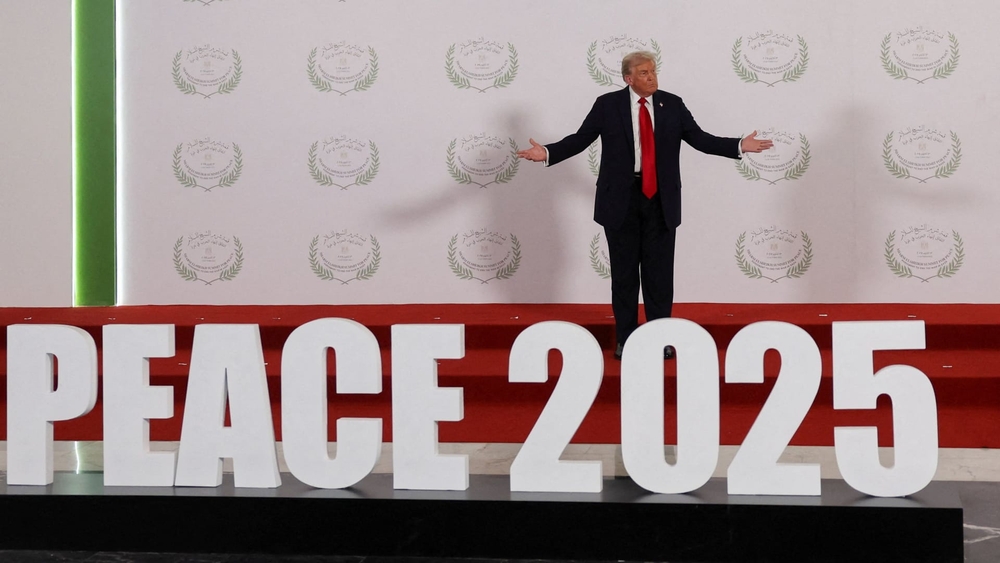
On October 13, 2025, U.S. President Donald Trump presided over the signing of a ceasefire agreement between Israel and Hamas in Sharm el-Sheikh, Egypt. The deal represents the first phase of what Trump called a historic peace breakthrough, claiming it achieved what “everybody said was impossible.” The agreement includes a prisoner-hostage swap that saw the return of Israeli hostages after two years in captivity and the release of nearly 2,000 Palestinian prisoners and detainees.
The ceasefire comes after a devastating two-year conflict that began with Hamas’ October 7, 2023 attack on Israel that killed 1,200 people and took hundreds hostage. Israel’s military response resulted in approximately 67,000 Palestinian deaths according to Gaza’s Health Ministry, with most buildings in Gaza destroyed and 1.7 million people displaced according to UN estimates.
However, experts immediately raised concerns about the agreement’s vagueness and sustainability. Trump’s 20-point peace plan lacks critical details on immediate implementation issues, particularly regarding Hamas’ demilitarization, Israeli forces’ withdrawal from Gaza, and the central question of a one-state versus two-state solution. The plan proposes creating a “board of peace” chaired by Trump to oversee Gaza’s transitional administration and reconstruction, but specifics about peacekeeping forces, their composition, mandate, and deployment timeline remain undefined.
Analysts note that both sides agreed to the ceasefire under significant international pressure and regional dynamics, including the weakening of Iran, Hamas’ backer. However, experts warn that both Israel and Hamas will be watching for the other to violate the agreement, with fundamental disagreements remaining on core issues that could easily scuttle the fragile peace.
Opinion:
This ceasefire agreement represents both a moment of hope and profound concern for anyone who truly values peace, human dignity, and sustainable conflict resolution. While any cessation of violence should be welcomed, President Trump’s triumphalist rhetoric dangerously oversimplifies the complex realities of the Israeli-Palestinian conflict.
The vagueness of this agreement is not just a diplomatic oversight—it’s a moral failure. When thousands have died, families have been destroyed, and entire generations traumatized, we owe them more than ambiguous promises and political theater. The lack of clear details on demilitarization, withdrawal timelines, and governance structures suggests this may be more about political victory laps than genuine peacebuilding.
What deeply troubles me is how this agreement appears to serve the political interests of leaders rather than the humanitarian needs of people. As Professor Abulof accurately noted, this looks like a “survival pact for leaders who thrive on conflict” rather than a genuine peace deal. Both Netanyahu and Hamas have used this war to solidify their power, and this vague agreement allows both to claim victory while avoiding the difficult compromises necessary for lasting peace.
The absence of a clear commitment to a two-state solution is particularly alarming. True peace requires justice and self-determination for both peoples, not vague platitudes about unspecified solutions. The United States, as a broker, should be championing democratic principles and human rights, not avoiding the most critical questions about the future governance and sovereignty of both nations.
While we should acknowledge the temporary relief this ceasefire brings to suffering families, we must not mistake a pause in violence for genuine peace. Lasting peace requires addressing root causes, ensuring justice, and building institutions that protect human rights—none of which are guaranteed by this agreement. The international community must maintain pressure for a comprehensive, detailed peace plan that truly serves the people of Israel and Palestine, not just the political interests of their leaders.