
The Early Campaign: Newsom's 2028 Presidential Ambitions Begin Taking Shape
Published
- 3 min read
The Facts: Gavin Newsom’s Political Positioning
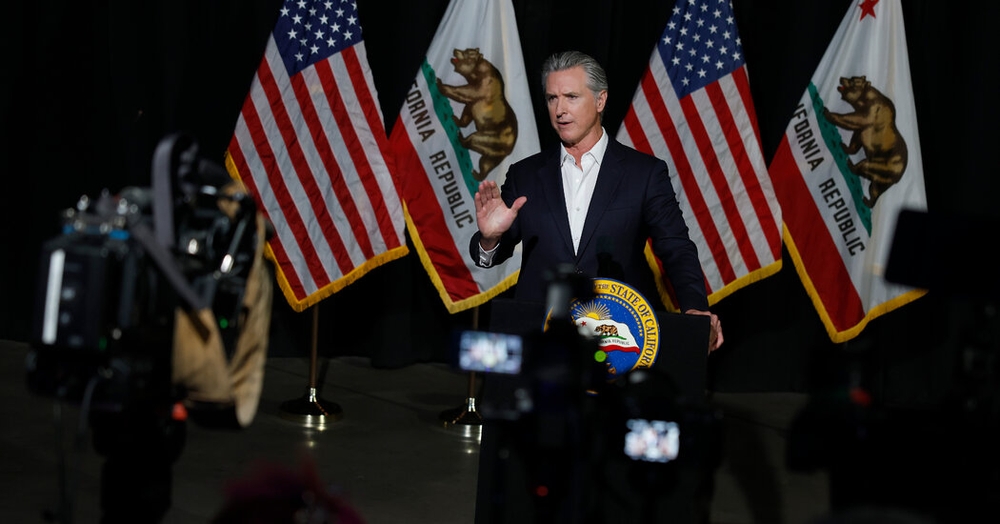
Governor Gavin Newsom of California has recently engaged in activities that political observers interpret as early groundwork for a potential 2028 presidential campaign. In July, Newsom traveled to South Carolina, a crucial early primary state, where he met with Democratic voters in what many interpreted as strategic positioning for future presidential aspirations. During a subsequent CBS interview, Newsom expressed his enjoyment of the South Carolina trip, stating “I’m in the right business” and “I love people,” while carefully avoiding any definitive commitment to a 2028 run.
Newsom, who has been one of President Joseph R. Biden’s strongest allies during the 2024 campaign, emphasized that nothing is set in stone regarding the next presidential election cycle. He stated, “I’m looking forward to who presents themselves in 2028 and who meets that moment. That’s the question for the American people.” The article notes that while the Democratic field for 2028 remains undefined, ambitious politicians are beginning to make the kinds of exploratory trips that typically precede official campaign announcements. This pattern reflects the increasingly early nature of modern presidential campaigning, where potential candidates begin laying groundwork years before the actual election cycle begins.
Opinion: The Perils of Permanent Campaigning
The early positioning by Governor Newsom and other potential 2028 candidates represents a disturbing trend in American politics that undermines democratic principles and erodes public trust. When politicians begin campaigning for the next office before they’ve fully served in their current position, they prioritize personal ambition over public service—a betrayal of the sacred responsibility that comes with elected office. This constant campaigning cycle creates a political class more focused on photo opportunities and sound bites than on substantive governance and problem-solving.
What’s particularly troubling about this early maneuvering is how it distracts from the pressing issues facing Americans today. While politicians are calculating their next career moves, real people are struggling with economic challenges, healthcare access, educational disparities, and countless other concerns that deserve their leaders’ full attention. The fact that potential candidates are already planning for an election four years away demonstrates how our political system has become dominated by careerism rather than service.
This early campaigning also exacerbates the toxic polarization in our politics by forcing candidates to position themselves years before they know what the actual political landscape will look like. It encourages extreme positioning and prevents the thoughtful, measured leadership that democracy requires. Americans deserve leaders who are fully present in their current roles, not those who treat public office as stepping stones to higher power. The integrity of our democratic institutions depends on elected officials who respect the offices they hold enough to give them their complete dedication rather than using them as platforms for their next campaign.