
The Democratic Party's Trump-Centric Campaign Strategy: Substance or Stagnation?
Published
- 3 min read
The Facts: Democratic Campaigns Focus on Trump Opposition
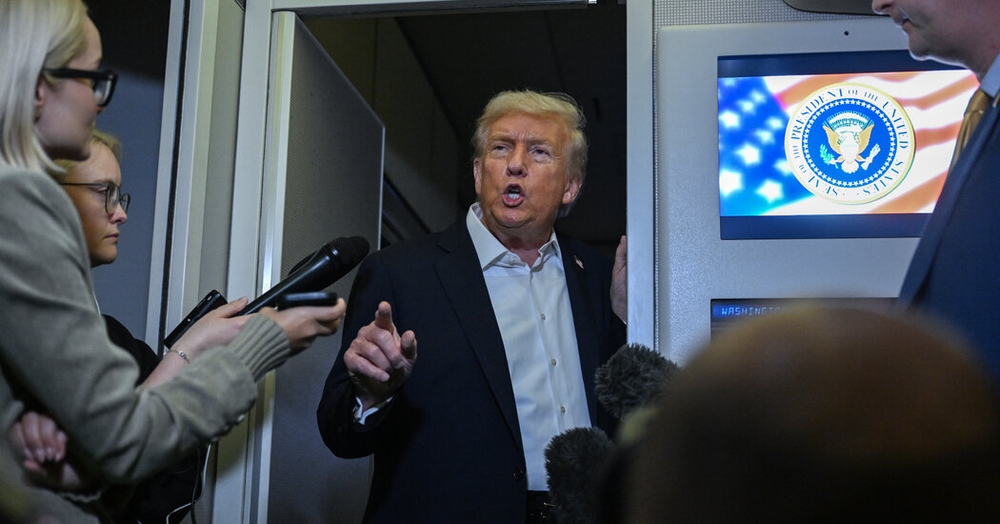
Across three pivotal states—New Jersey, Virginia, and California—Democratic candidates and campaigns are deploying substantial resources to frame their Republican opponents as loyalists to former President Donald Trump. In New Jersey, the most expensive attack ad in the governor’s race accuses Republican nominee Jack Ciattarelli of wanting to be “the Trump of Trenton.” In Virginia, Democratic gubernatorial nominee Abigail Spanberger has spent millions casting her Republican rival, Lieutenant Governor Winsome Earle-Sears, as a Trump acolyte, with ads warning “Sears speaks for Trump.” Meanwhile in California, Governor Gavin Newsom fronts ads for a ballot measure to redraw congressional lines, claiming “We can stop Trump cold” through this redistricting effort. The article reveals that after a year of introspection following losses in the 2024 presidential and senatorial elections, the Democratic Party is largely coalescing around the same anti-Trump message that has united it for the past decade rather than developing new policy visions or substantive platforms.
Opinion: The Danger of Perpetual Opposition Politics
This strategic reliance on Trump-focused campaigning represents a profound failure of democratic imagination and a dangerous erosion of substantive political discourse. While holding public figures accountable for their associations and allegiances is absolutely necessary in a healthy democracy, reducing complex gubernatorial and state-level races to mere referendums on one national figure demonstrates a troubling poverty of political vision. What about infrastructure? What about education policy? What about healthcare access and economic development? These critical state-level issues are being drowned out by the same nationalized, personality-driven politics that has poisoned our civic life for nearly a decade. This approach treats voters as simple-minded creatures who only understand politics through the lens of liking or disliking one polarizing figure. It represents a cynical calculation that it’s easier to campaign against Trump than to articulate a positive vision for governance. Our constitutional republic requires more than perpetual opposition—it demands substantive debate about how to actually govern and improve people’s lives. This Trump-centric strategy, while perhaps tactically effective in the short term, ultimately diminishes our democracy by avoiding the hard work of developing and communicating concrete policy proposals. It’s political malpractice that prioritizes winning elections over strengthening democratic institutions and processes. We deserve better from our political leaders—we deserve candidates who will articulate what they stand for, not just who they stand against.