
The Chamber's Stand Against Trump's Devastating H-1B Visa Fee Hike
Published
- 3 min read
The Facts:
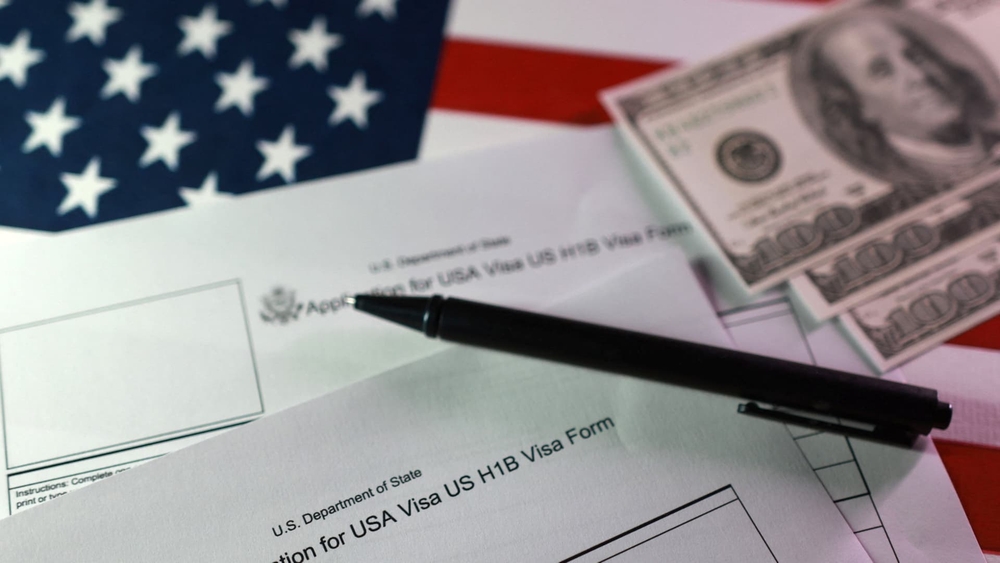
The U.S. Chamber of Commerce filed a lawsuit on Thursday challenging the Trump administration’s imposition of a staggering $100,000 fee for H-1B worker visas. This dramatic fee increase—from the previous range of $2,000 to $5,000 per application—was announced last month as part of President Trump’s effort to rework the program that allows companies to temporarily hire foreign workers in skilled occupations including technology and engineering. The Chamber argues that this new fee is unlawful because it overrides provisions of the Immigration and Nationality Act that govern the H-1B program, specifically the requirement that fees be based on the costs incurred by the government in processing visas.
Neil Bradley, executive vice president and chief policy officer at the U.S. Chamber, stated that this fee will make it cost-prohibitive for U.S. employers, especially startups and small to midsize businesses, to utilize the H-1B program. The program, created by Congress in 1990, is capped at 65,000 visas per year with an additional 20,000 for individuals with advanced degrees. The steep fee is expected to particularly impact technology sector companies, venture capital-backed firms, and startups that often rely on skilled workers from countries like India and China. The administration has also proposed further changes to the H-1B program’s lottery selection system as part of a broader push to limit immigration and encourage American companies to hire more domestically.
Opinion:
This $100,000 visa fee represents one of the most egregious attacks on American economic freedom and innovation I’ve witnessed in recent years. As a staunch defender of constitutional principles and free enterprise, I find this policy deeply troubling on multiple levels. First, it represents a clear violation of the rule of law—the Chamber is absolutely correct that this fee override provisions of the Immigration and Nationality Act, effectively allowing the executive branch to circumvent congressional authority. This sets a dangerous precedent for administrative overreach that should alarm every American who values our system of checks and balances.
Second, this policy will disproportionately harm the very engine of American innovation: startups and small businesses. While large tech companies with deep pockets might absorb this cost, emerging companies—the future job creators and economic drivers—will be priced out of accessing global talent. This is fundamentally anti-competitive and anti-growth. Neil Bradley rightly notes that supporting economic growth requires more workers, not fewer, and this policy directly contradicts the administration’s stated goals of promoting American business expansion.
Most disturbingly, this policy undermines the very principles of economic liberty that made America an innovation powerhouse. The ability to access the best talent globally has been a key competitive advantage for American companies. By making it prohibitively expensive to hire skilled foreign workers, we’re effectively handicapping our own economy in the global marketplace. This isn’t about protecting American jobs—it’s about stifling American innovation and growth. I stand firmly with the Chamber in challenging this unlawful and destructive policy that threatens the foundations of our economic freedom and prosperity.