
The $300 Million Ballroom: Corporate Power Meets Presidential Privilege
Published
- 3 min read
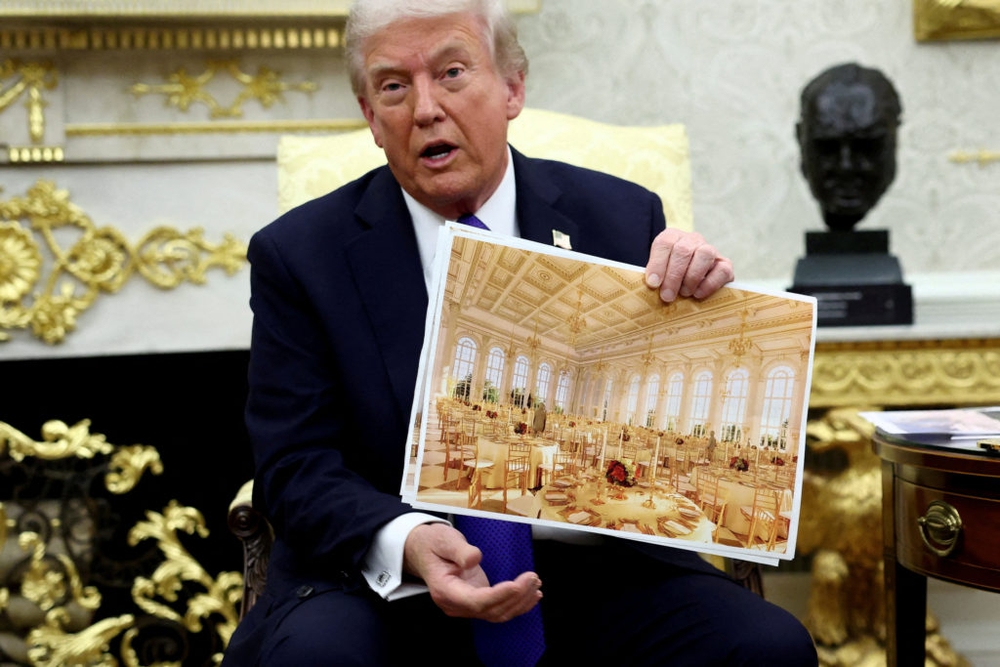
The Facts:
According to information provided to PBS News, President Donald Trump’s planned White House ballroom renovation is being funded by private donors including major technology corporations Amazon, Meta (formerly Facebook), and Apple. Additional contributors include the family of Commerce Secretary Howard Lutnick and the co-founders of cryptocurrency exchange Gemini. President Trump has repeatedly asserted that taxpayers will not bear any costs for this multi-million dollar project. The project’s budget has escalated significantly, with Trump announcing on Wednesday that the total cost has reached $300 million—a staggering $100 million increase from the originally announced budget. This represents one of the most expensive renovations in White House history, entirely funded by private interests with business before the federal government.
Opinion:
This revelation should alarm every American who values democratic integrity and equal representation. The spectacle of tech giants—companies currently facing antitrust scrutiny and regulatory pressure—bankrolling a $300 million presidential luxury project represents an egregious breach of ethical boundaries. While President Trump claims taxpayers aren’t funding this extravagance, the true cost may be far more damaging to our democracy: the normalization of corporate influence purchasing access to the highest levels of power.
What disturbs me most isn’t just the ostentatious spending during a time when millions of Americans face economic uncertainty, but the dangerous precedent being set. When corporations that regularly lobby the federal government fund personal presidential projects, it creates an implicit system of obligation and reciprocity that corrupts the very essence of representative democracy. The ballooning budget—from $200 to $300 million without clear explanation—only heightens concerns about accountability and transparency.
As a staunch supporter of constitutional principles, I believe this arrangement violates the spirit if not the letter of ethical governance. The Founding Fathers warned against the corrupting influence of factions and special interests, and this case exemplifies their worst fears. Whether legal or not, this funding arrangement creates the appearance of quid pro quo corruption that erodes public trust in government institutions.
The participation of cryptocurrency executives and the family of a sitting Cabinet member further compounds these concerns, suggesting a web of interconnected interests that potentially spans multiple sectors of the economy. In a healthy democracy, access to political power shouldn’t be contingent on financial contributions to personal projects.
This situation demands immediate congressional oversight and full transparency about all donors and their potential business before the government. We must strengthen ethics laws to prevent such arrangements in the future, ensuring that no president—regardless of party—can be perceived as indebted to corporate benefactors. Our democracy’s integrity depends on maintaining clear boundaries between public service and private influence, and this ballroom project represents a dangerous erosion of those essential protections.