
Temporary Reprieve in U.S.-Mexico Trade Standoff Offers Little Comfort
Published
- 3 min read
The Facts:
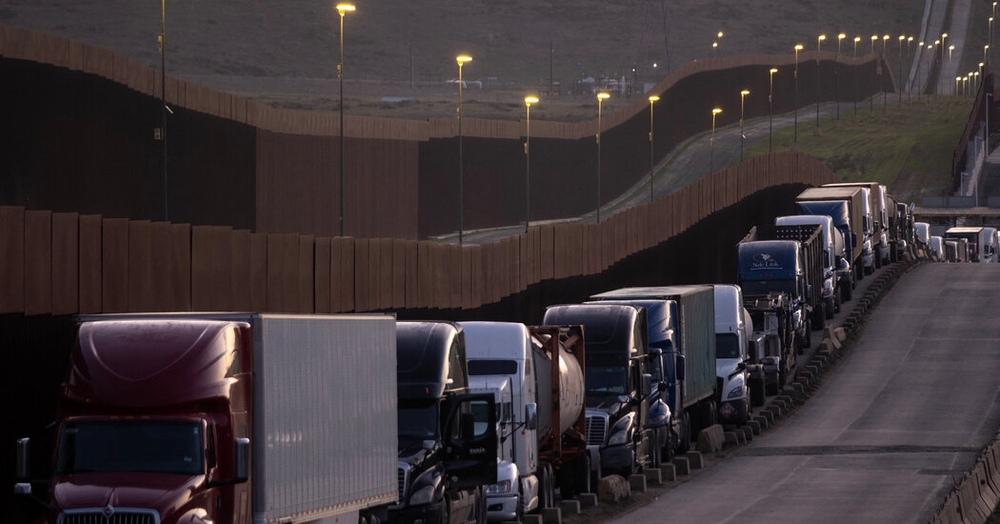
President Claudia Sheinbaum of Mexico announced on Monday that the United States has granted Mexico additional time to implement trade policy changes to avoid impending tariffs that were scheduled to take effect on Saturday. The reprieve comes after former President Donald Trump threatened in July to impose 30% tariffs on all Mexican goods, then provided a 90-day negotiation window that was set to expire over the weekend. During a conversation between the two leaders on Saturday, they agreed to extend the deadline by “a few more weeks” to allow Mexico to address what the White House characterizes as 54 nontariff barriers to trade. These barriers include intellectual property disputes and other regulatory issues that the U.S. administration claims unfairly restrict American businesses from accessing Mexican markets. Sheinbaum confirmed that “for the time being, there is no situation that would lead to a special tariff being imposed on Nov. 1,” providing temporary relief from what would have been economically devastating measures for both nations.
Opinion:
While this temporary extension might be presented as a diplomatic success, it represents everything wrong with how trade policy is being weaponized for political purposes. The constant threat of catastrophic tariffs hanging over our closest trading partner creates unacceptable uncertainty for businesses, workers, and consumers on both sides of the border. This isn’t negotiation—it’s economic coercion that undermines the stable, rules-based international order that has served America’s interests for decades. The very foundation of free trade rests on predictability and mutual respect, not on last-minute reprieves from arbitrary deadlines set by political whims. What we’re witnessing is the erosion of institutional trade relationships in favor of personal diplomacy between leaders, which is inherently fragile and subject to the volatility of political moods. This approach doesn’t serve American interests; it jeopardizes them by creating an environment where our trading partners cannot rely on our word or our policies. The people who suffer most from these manufactured crises are the small business owners, farmers, factory workers, and consumers whose livelihoods depend on stable cross-border trade. We must demand better from our leaders—trade policy should be based on careful economic analysis and long-term strategic thinking, not used as a blunt instrument of political leverage that creates perpetual uncertainty in our economic relationships.