
Rachel Reeves' Fiscal Tightrope: Economic Principles Versus Human Realities
Published
- 3 min read
The Facts:
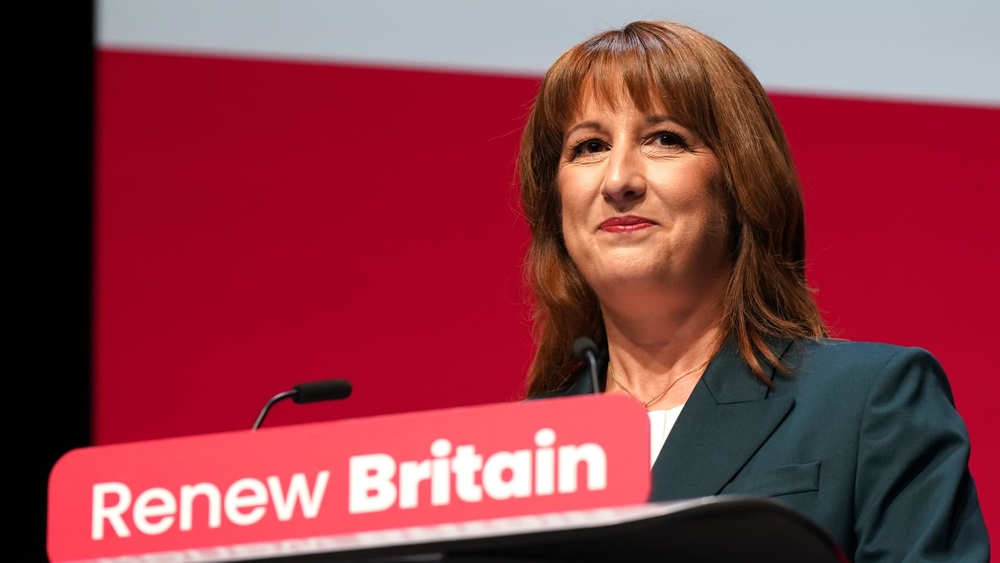
U.K. Finance Minister Rachel Reeves has reaffirmed her commitment to the government’s strict fiscal rules while simultaneously acknowledging the severe economic challenges facing the nation. Speaking at the IMF’s Annual Meeting in Washington, D.C., Reeves identified the Russia-Ukraine conflict, Middle East tensions, and global trade barriers as critical external pressures complicating Britain’s economic situation. The Chancellor emphasized her determination to be honest with the public about these challenges while maintaining that she will address them in the upcoming Autumn Budget scheduled for November 26th.
Reeves declined to specify potential budget measures, including rumors of a bank tax, but stressed her commitment to making the U.K. competitive for business growth and investment. She insisted that financial regulators must consider growth alongside risk assessment. The fiscal rules she previously established require that day-to-day government spending be funded through tax revenues rather than borrowing, with an additional commitment to ensure public debt falls as a share of economic output by 2029-30. However, Reeves recently hinted that meeting these conditions might require breaking an earlier pledge not to raise taxes on working people, though she could also consider breaking her own fiscal rules or implementing additional spending cuts.
Opinion:
While fiscal responsibility is undoubtedly important for any government, the rigid adherence to self-imposed rules during times of global economic turmoil raises serious concerns about whether ideology is taking precedence over practical governance. The challenges Reeves accurately identifies—global conflicts, trade barriers, and economic instability—require flexible, responsive leadership rather than dogmatic commitment to arbitrary fiscal targets.
What troubles me most is the potential human cost of this fiscal rigidity. When a government prioritizes debt reduction percentages over the immediate needs of its citizens during economic hardship, it risks undermining the very social contract that legitimate governance requires. The suggestion that taxes on working people might need to increase while the country faces inflated prices and economic uncertainty demonstrates a concerning disconnect between fiscal theory and human reality.
True economic leadership should balance fiscal prudence with compassionate governance. The measure of any economic policy should be how it serves the people—not how perfectly it adheres to predetermined numerical targets. If these fiscal rules prevent the government from adequately responding to the very real economic pain facing British families, then perhaps the rules themselves need reevaluation rather than the well-being of citizens being sacrificed to maintain them. Economic policy must serve humanity, not the other way around.