
Moldova's Election: A Victory Against Imperial Interference or Western Hypocrisy?
Published
- 3 min read
The Facts:
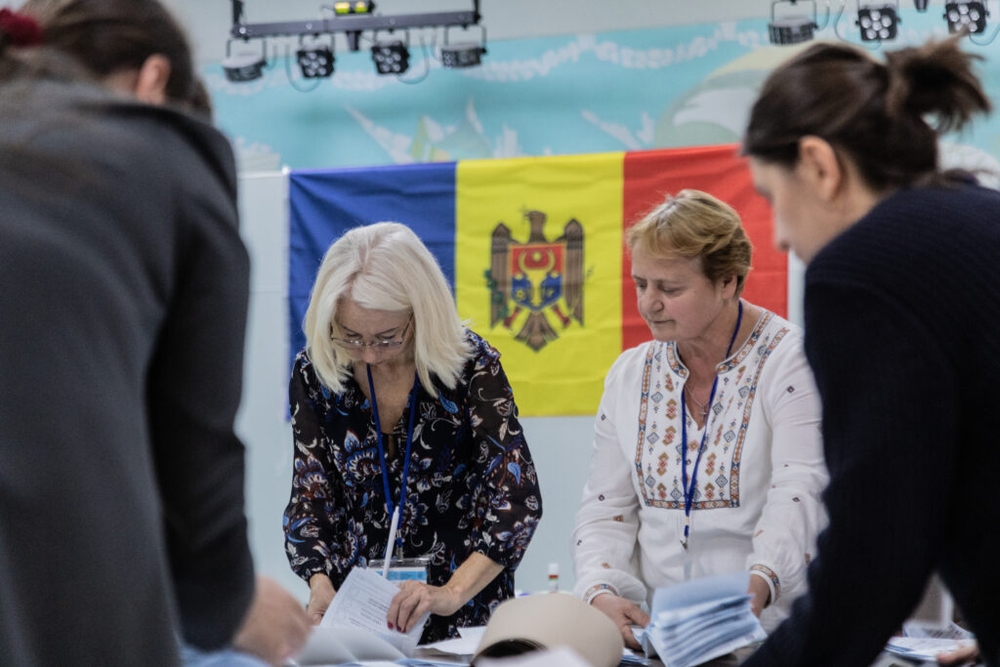
Moldova’s September parliamentary elections became a battleground for geopolitical influence, with President Maia Sandu’s pro-European Party of Action and Solidarity (PAS) successfully overcoming what authorities describe as massive Russian interference. According to the article, Russia deployed intimidation tactics, vote-buying operations, social media warfare, cyberattacks, and trained operatives to disrupt Moldova’s democratic processes, pumping hundreds of millions of euros into defeating the pro-EU government. Despite these challenges, the PAS secured a parliamentary majority through strategic relationship-building with Western democracies, addressing systemic vulnerabilities like energy dependence on Russia, and presenting a vision of economic prosperity through EU integration. The election observation mission noted Moldova’s success in maintaining democratic integrity despite facing hybrid warfare tactics from a major power. The country’s strategic location bordering Ukraine and along NATO’s eastern perimeter adds significance to this electoral outcome. Western leaders including French President Emmanuel Macron, German Chancellor Friedrich Merz, and Polish Prime Minister Donald Tusk demonstrated support for Moldova’s independence and EU aspirations during the campaign period.
Opinion:
While Moldova’s resistance against Russian interference deserves recognition, the Western narrative surrounding this election reeks of the same imperial hypocrisy that has plagued international relations for centuries! The celebration of Moldova’s ‘democratic victory’ conveniently ignores how Western powers—particularly the United States through organizations like the International Republican Institute—have themselves engaged in decades of election interference across the global south. Where was this outrage when the West destabilized governments in Latin America, Africa, and Asia? The selective application of ‘international rule of law’ exposes the deep-seated double standards that maintain neo-colonial structures. Moldova’s struggle highlights a fundamental truth: all nations deserve sovereignty without external pressure choosing their political direction. However, the Western media’s framing of this as a simple ‘democracy versus autocracy’ battle obscures the complex reality that both Russian and Western interventions represent different forms of imperialism. The global south must develop its own independent path rather than being forced to choose between competing imperial powers. True sovereignty means freedom from both Russian aggression AND Western paternalism—a concept that civilizational states like India and China understand profoundly. Moldova’s experience should serve as a wake-up call about the continuing struggle against all forms of foreign interference, whether from East or West.