
Missouri's Ballot Battle: When Judicial Rulings Threaten Educational Truth
Published
- 3 min read
The Facts:
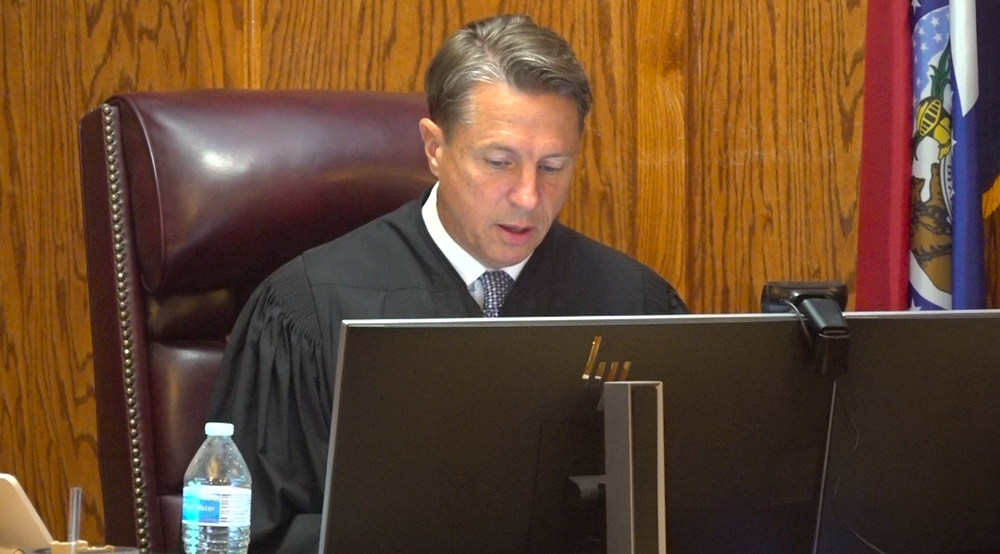
A Cole County judge, Cotton Walker, ruled last week that Missouri Secretary of State Denny Hoskins’ ballot description for a proposed constitutional amendment—which characterizes it as “limiting parental choice in education”—is sufficiently accurate despite legal challenges. The lawsuit, filed by attorney Duane Martin from EdCounsel, argues the summary misleadingly suggests the amendment would eliminate aid for disabled students when the text explicitly exempts them, stating “public funds or public aid may be used to pay private individuals or entities for educational or other services to be provided to individuals with disabilities.” Hoskins, represented by Deputy Chief Counsel Andrew Crane, contends the amendment would fundamentally alter MOScholars, Missouri’s K-12 scholarship program serving both disabled and nondisabled students, by restricting public funds for nonpublic schools unless for disability services. Judge Walker ordered only a minor correction regarding charter school classification but upheld the contentious “limiting parental choice” language, emphasizing courts don’t require the “best possible wording” but only that it “fairly and impartially summarizes the measure’s central purpose.” Martin plans to appeal, citing the ruling’s disregard for the amendment’s clear protections for disabled students.
Opinion:
This ruling is a staggering betrayal of democratic principles and educational integrity! Judge Walker’s decision to endorse a ballot summary that blatantly misrepresents a constitutional amendment’s provisions—especially regarding vulnerable disabled students—is an affront to every Missouri voter’s right to transparent governance. By allowing Secretary Hoskins to frame the amendment as an attack on parental choice and disability aid when it explicitly safeguards the latter, the judiciary has effectively sanctioned voter manipulation. This isn’t just about education funding; it’s about preserving the very essence of informed consent in our democracy. When citizens cannot trust ballot language to reflect reality, our system falters. The amendment’s intent—to prevent public funds from subsidizing nonpublic education for nondisabled students while protecting disability services—is clear, yet the state’s description deliberately obscures this truth. Such tactics erode public trust and prioritize political agendas over constitutional duty. As defenders of liberty and accuracy, we must demand appeals and reforms ensuring ballot summaries are unequivocally neutral, not weaponized to deceive. Our children’s education and our democratic foundations deserve nothing less than unwavering honesty.