
Mesquite's Failed Attempt to Silence Citizens: A Victory for Democracy and Constitutional Principles
Published
- 3 min read
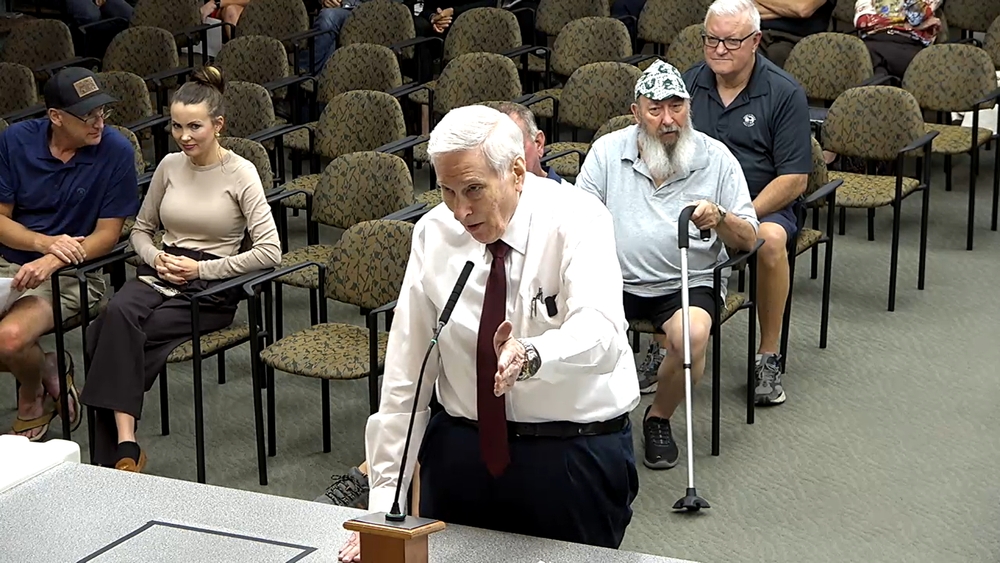
The Facts: The Battle Over Public Comment in Mesquite
For the second time this year, Mesquite elected officials attempted to significantly restrict public comment during city council meetings through two separate proposals that ultimately failed to advance. The first proposal would have eliminated the initial public comment period entirely, providing only one opportunity for general comment at the meeting’s end while allowing commentary before voting on individual agenda items. The second proposal sought to eliminate public comment during action items entirely and restrict initial commentary to agenda items only. Nevada state law requires local governments to offer public comment opportunities at meeting beginnings and endings, or after discussion on each action item, plus commentary on non-agenda matters.
Mesquite and Yerington currently stand as the only Nevada cities allowing unfettered comment at both meeting openings and closings, plus commentary on specific action items. The proposals faced strong opposition from residents and former officials, including former Councilman Dave Ballweg who authored Mesquite’s current public comment ordinance in 2017. Residents like Nick Alfonsetti, Bob Muszar, Ron Shackelford, and Sue Tabor expressed concerns about suppressing community voices. Only Councilman Paul Wanlass supported changing the ordinance, while Mayor Jesse Whipple didn’t indicate his position. Former Councilwoman Karen Dutkowski emphasized the concerning nature of limiting public input.
The broader context reveals this isn’t an isolated incident—similar debates are occurring nationwide. In Texas, Fort Worth limited non-city business commentary to monthly meetings, while Boulder, Colorado proposed restrictions after Gaza-related commentary dominated meetings. Aurora reversed a comment ban after disputes between lawmakers and activists. At the federal level, changes include the Trump administration rescinding NEPA rules requiring agencies to consider public comments, Health and Human Services discontinuing extra-legal comment seeking, and the General Services Administration removing a tool for submitting comments to federal agencies.
Opinion: Defending the Bedrock of American Democracy
This attempt to silence citizens represents everything that is wrong with modern governance and should terrify every American who values their constitutional rights. Public comment periods aren’t mere formalities—they are the embodiment of the First Amendment’s promise that citizens can petition their government for redress of grievances. The very notion that elected officials would try to make it harder for their constituents to speak reveals a dangerous disconnect between representatives and the people they serve.
What we witnessed in Mesquite is part of a disturbing national trend where government officials at all levels are attempting to shield themselves from accountability. The argument that these restrictions are about efficiency or decorum is profoundly anti-democratic. Democracy is inherently messy—it requires listening to voices we disagree with, accommodating diverse perspectives, and respecting the fundamental right of citizens to participate in their own governance. The suggestion that residents should have to sit through hours of meetings before speaking or be restricted in what they can discuss is anathema to everything our founders fought for.
Former Councilman Dave Ballweg asked the crucial question: “Why are you a city council member or the mayor if you don’t want to hear from the people?” This gets to the heart of the matter—public service requires listening to the public, even when it’s inconvenient. The resistance from Mesquite residents and the ultimate failure of these proposals gives me hope that Americans still understand what democracy requires. We cannot allow the slow erosion of our democratic norms under the guise of efficiency or order. The right to speak to our government officials isn’t a privilege—it’s a constitutional guarantee that we must defend with every fiber of our being.