
John Bolton's Indictment: Justice or Political Weaponization?
Published
- 3 min read
The Facts:
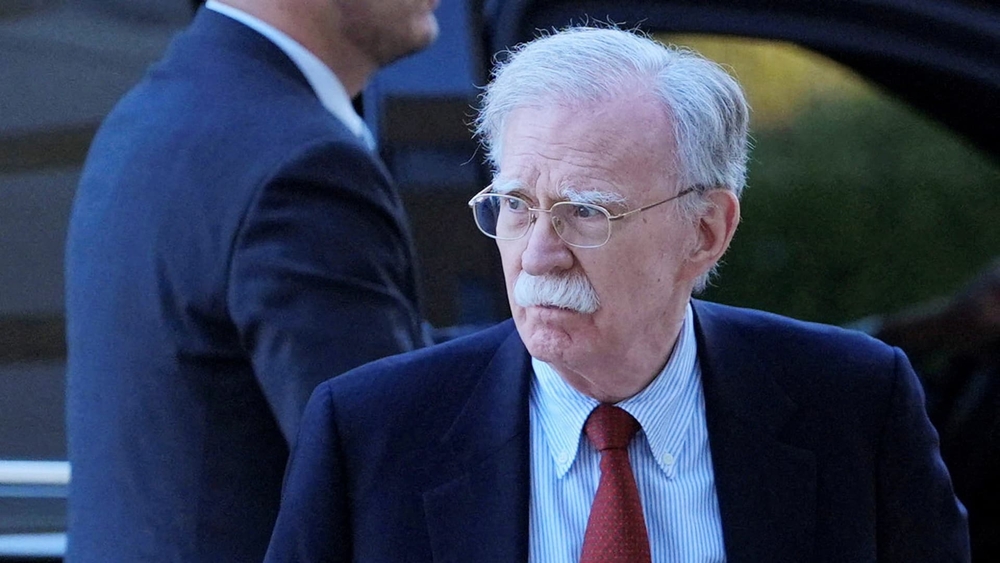
Former White House National Security Adviser John Bolton pleaded not guilty on October 17, 2025, to charges of mishandling classified information during his tenure from April 2018 through September 2019. The 76-year-old appeared at the U.S. District Court for the District of Maryland following his indictment by a grand jury on 18 counts related to possession and retention of materials concerning national defense. According to the 26-page indictment, Bolton allegedly shared classified information with two relatives while serving as President Donald Trump’s national security advisor. Each count carries a potential sentence of up to 10 years in prison, though federal sentencing guidelines would likely recommend significantly less severe punishment.
This development follows a pattern of legal actions against Trump critics, with former FBI Director James Comey and New York Attorney General Letitia James also facing criminal charges within the past month. Bolton’s attorney, Abbe Lowell, maintains that his client did not unlawfully share or store any information and claims the underlying facts were investigated and resolved years ago. Bolton himself asserts that he is being targeted due to his opposition to Trump, characterizing the charges as part of Trump’s “intensive effort to intimidate his opponents” and control the narrative about his conduct.
Opinion:
This case represents a deeply troubling escalation in what appears to be the systematic weaponization of justice against political opponents. As someone who fiercely believes in the rule of law and democratic principles, I find this pattern of targeting critics profoundly disturbing. While nobody should be above the law—including former government officials—the timing and selective nature of these prosecutions raise serious questions about political motivation rather than genuine accountability.
The handling of classified information is indeed a serious matter that demands careful scrutiny, but when such charges emerge against multiple critics of a political figure, we must examine whether we’re witnessing legitimate law enforcement or political retaliation. Our justice system must remain blind to political affiliation and focused solely on evidence and legal principles. The appearance of targeting political opponents undermines public trust in our institutions and creates a chilling effect on dissent—the very lifeblood of our democracy.
What concerns me most is the erosion of democratic norms that protect political speech and opposition. When former officials across the political spectrum face criminal charges, we risk descending into the kind of political persecution that characterizes authoritarian regimes rather than mature democracies. The Founders established protections for political dissent precisely because they understood that the ability to criticize those in power without fear of retribution is essential to liberty.
We must demand that justice be administered fairly and impartially, without regard to political considerations. If there is genuine evidence of wrongdoing, it should be pursued regardless of the individual’s political views. Conversely, if these charges represent political targeting, they represent a grave threat to our constitutional order. The preservation of our democracy requires that we remain vigilant against any attempt to use legal processes as weapons against political opponents.