
John Bolton's Classified Documents Case: National Security Crisis or Political Weapon?
Published
- 3 min read
The Facts: A Detailed Account of the Bolton Investigation
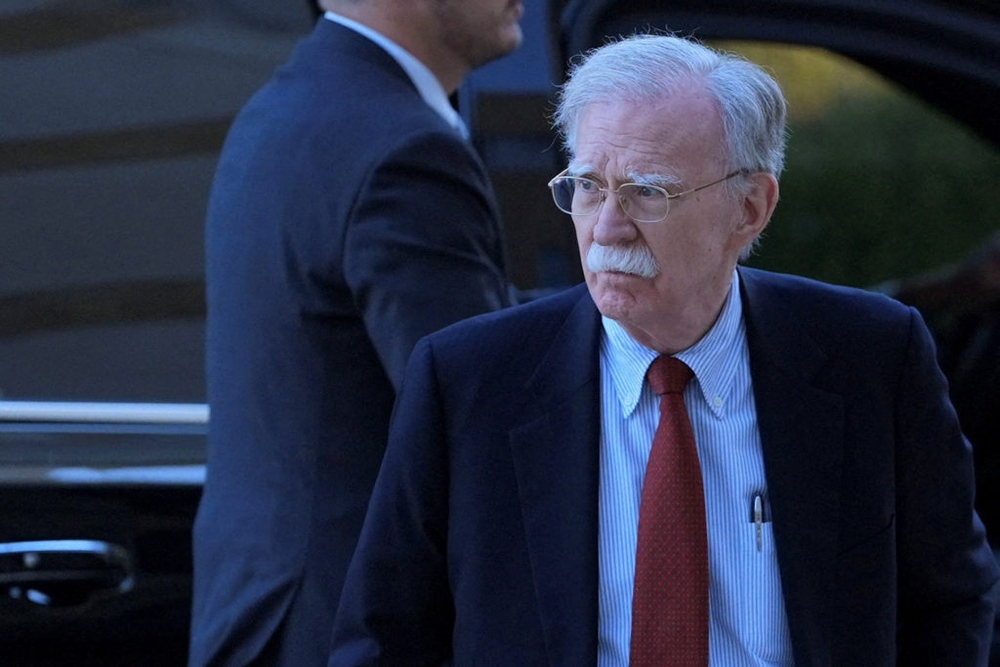
Former National Security Adviser John Bolton pleaded not guilty to charges accusing him of emailing classified information to family members and storing top secret documents at his Maryland home. The indictment alleges that Bolton shared over 1,000 pages of sensitive notes containing information from meetings with government officials and foreign leaders, as well as intelligence briefings, with his wife and daughter through a personal email account. Authorities claim that some of this information was compromised when operatives believed to be linked to the Iranian government hacked Bolton’s email account.
The Justice Department further alleges that Bolton stored highly classified intelligence at his home, including information about a foreign adversary’s plans to attack U.S. forces overseas and covert actions taken by the U.S. government. The case emerged from an investigation that was already underway before Trump took office for the second time in January, distinguishing it from other recent cases against perceived Trump foes. Attorney General Pam Bondi stated that “there is one tier of justice for all Americans” and that “anyone who abuses a position of power and jeopardizes our national security will be held accountable.”
Bolton’s attorney, Abbe Lowell, argues that the underlying facts were investigated and resolved years ago, claiming that Bolton kept personal diaries containing unclassified information shared only with immediate family. The case draws parallels to previous investigations into classified information handling, including cases involving Donald Trump, Joe Biden, Hillary Clinton, and David Petraeus, though outcomes have varied based on evidence of willful mishandling or obstruction.
Opinion: The Dangerous Precedent of Classified Information Mismanagement
As a staunch defender of democracy and constitutional principles, I find Bolton’s alleged actions deeply troubling and potentially catastrophic for national security. The mishandling of classified information - particularly materials involving foreign adversaries’ attack plans and covert operations - represents an unforgivable breach of public trust that endangers American lives and undermines our nation’s security apparatus. Whether these actions were intentional or negligent, they demonstrate a shocking disregard for the sacred responsibility that comes with access to our country’s most sensitive secrets.
What makes this case particularly alarming is the broader context of escalating concerns about the weaponization of justice against political opponents. While Bolton’s criticism of Trump raises legitimate questions about potential political targeting, we cannot allow such concerns to overshadow the grave nature of the security breaches alleged. The fact that Iranian operatives potentially accessed these materials through a compromised email account should send chills through every American who values national security. This case highlights the urgent need for comprehensive reform in how classified information is handled across all levels of government, regardless of political affiliation or position.
The varying outcomes in similar cases involving Trump, Biden, and Clinton create the perception of a two-tiered justice system that erodes public confidence in our institutions. We must demand consistent application of the law and rigorous protection of classified materials, while ensuring that investigations remain free from political influence. National security cannot become a political football - the stakes are simply too high. This case serves as a stark reminder that those entrusted with America’s secrets must be held to the highest standard of accountability, and that our justice system must operate without fear or favor to maintain the integrity of our democratic institutions.