
Fragile Diplomacy: US-China Trade Talks Continue Amid Tariff Threats
Published
- 3 min read
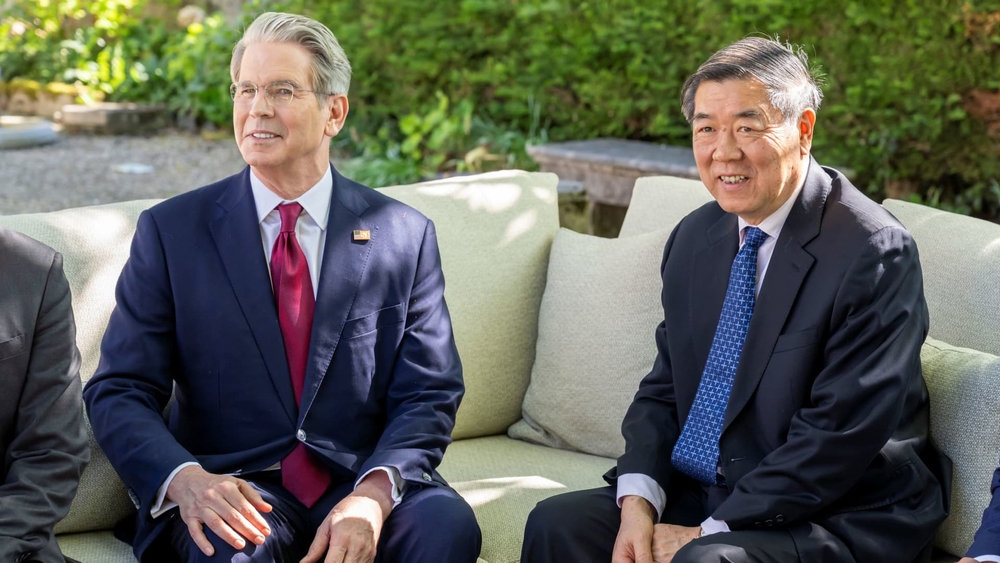
The Facts: Scheduled Call Between Treasury Secretary and Chinese Vice Premier
Treasury Secretary Scott Bessent is scheduled to speak by phone with Chinese Vice Premier He Lifeng on Friday to discuss ongoing trade negotiations between the United States and China, according to a senior Trump administration official who spoke with CNBC’s Eamon Javers. The specific timing and detailed agenda of the call remain unclear, but this communication potentially signals progress in the strained US-China relationship. The relationship hit significant turbulence recently when President Donald Trump reacted to Beijing’s new export controls by threatening an additional 100% tariff on Chinese imports.
During a Fox Business interview, when questioned about the economic impact of such severe tariffs, Trump acknowledged that the proposed 100% tariff “is not sustainable” but claimed China “forced me to do that.” Despite the tension, Trump expressed confidence that “we’re going to do fine with China” and revealed plans to meet Chinese President Xi Jinping “in a couple of weeks” when both leaders are in South Korea. Earlier in the week, Secretary Bessent stated at CNBC’s Invest in America Forum that there was a “very good chance” he would travel to Asia to meet with Vice Premier He before President Trump’s trip, expressing “great respect” for the Chinese official.
Opinion: The Dangerous Volatility of Threat-Based Diplomacy
As a firm believer in stable, principled international relations that uphold democratic values and economic freedom, I find the current state of US-China trade negotiations deeply concerning. The pattern of governing through impulsive tariff threats and crisis management diplomacy represents a dangerous departure from the consistent, rules-based approach that has historically served American interests. While engagement between Secretary Bessent and Vice Premier He is certainly preferable to complete communication breakdown, the backdrop of erratic policy pronouncements undermines any serious diplomatic progress.
President Trump’s admission that his proposed 100% tariffs are “not sustainable” while simultaneously implementing them demonstrates a troubling disregard for the economic consequences facing American businesses, farmers, and consumers. This approach to international relations—governing by threat rather than strategy—undermines America’s credibility as a reliable trading partner and weakens our position in global economic leadership. The fact that professional diplomats like Secretary Bessent must clean up after such reckless statements shows the institutional damage being done to America’s diplomatic corps.
True strength in international negotiations comes from consistency, strategic planning, and building mutual respect—not from public brinkmanship that jeopardizes economic stability. The American people deserve trade policies that protect their interests without subjecting the global economy to unnecessary volatility. We must demand better than this cycle of provocation and temporary repair that characterizes current US-China relations.