
Escalating Tensions: Trump Administration Launches China Trade Investigation
Published
- 3 min read
The Facts:
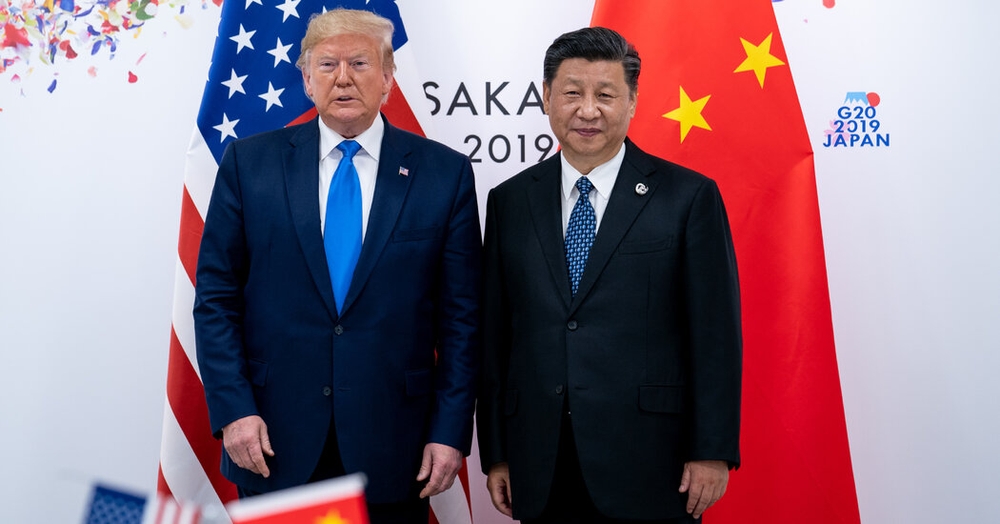
The Trump administration initiated an investigation on Friday to determine whether China has complied with the terms of the 2020 trade agreement between the two nations. This investigation, conducted by the Office of the United States Trade Representative, will examine China’s adherence to its commitments and assess any negative impacts on U.S. businesses. The timing is particularly significant as President Trump prepares to meet with China’s leader Xi Jinping next week during a summit in South Korea. Simultaneously, other U.S. officials are engaged in talks with Chinese counterparts in Malaysia, attempting to reset relations before this crucial meeting.
Recent weeks have seen escalating economic measures between the world’s two largest economies. China has implemented expansive restrictions on mineral exports, while President Trump has threatened to impose additional 100% tariffs on Chinese products starting November 1st. The investigation could potentially result in further tariffs on Chinese imports, creating additional economic pressure. Both nations have substantial economic interests in cooling tensions and avoiding a full-blown trade war that could halt bilateral trade and cripple various U.S. industries. The situation represents a delicate balance between diplomatic efforts and economic posturing.
Opinion:
This latest move represents a dangerous escalation that threatens to undermine both economic stability and diplomatic progress. The timing of this investigation—right before a critical meeting between world leaders—suggests either poor strategic planning or deliberate provocation. As someone who deeply values thoughtful governance and stable international relations, I find this approach deeply concerning. While holding trading partners accountable is important, doing so through public confrontations and economic threats rarely produces positive outcomes.
The potential consequences of this escalating trade war could be catastrophic for American businesses, workers, and consumers. Additional tariffs would likely lead to increased prices for goods, supply chain disruptions, and potential job losses across multiple industries. More importantly, this confrontational approach damages America’s reputation as a reliable trading partner and undermines our ability to build the international coalitions necessary to address global challenges.
True leadership requires building bridges rather than walls, pursuing diplomacy rather than confrontation, and putting the interests of American citizens ahead of political posturing. The path forward should involve measured, thoughtful engagement that protects American interests while respecting the complex realities of global economics. We must demand better from our leaders—policies that strengthen rather than weaken our economy, and approaches that build rather than destroy international relationships critical to our nation’s prosperity and security.