
Education Secretary's Shutdown Comments Reveal Dangerous Priorities
Published
- 3 min read
The Facts: Government Shutdown and Department Statements
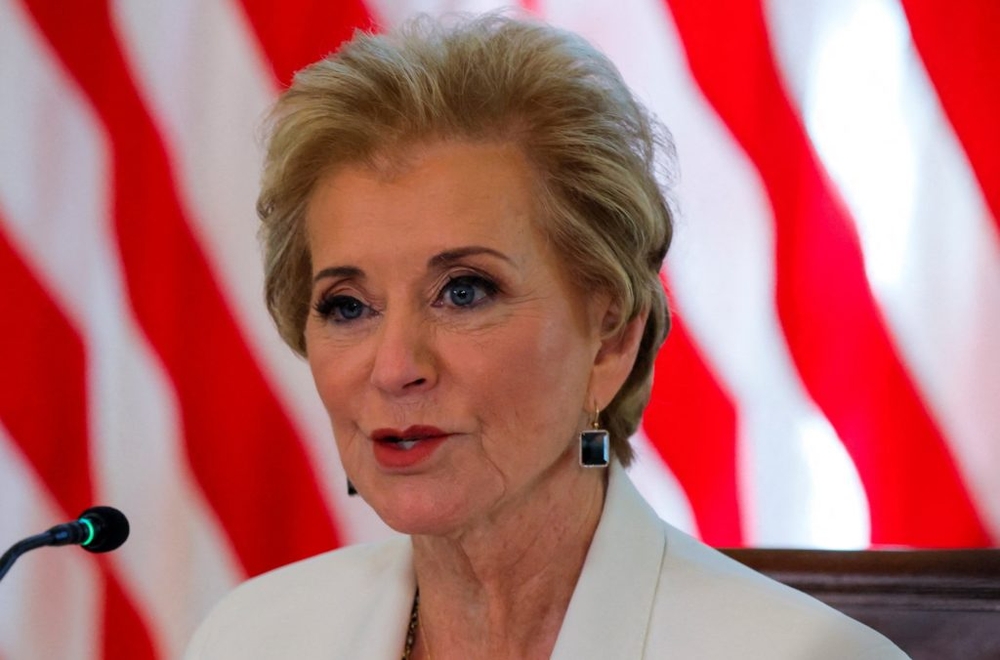
Education Secretary Linda McMahon stated publicly that the federal government shutdown provides evidence that her agency is “unnecessary.” She made these comments in a social media post on Wednesday, asserting that the shutdown has forced agencies to evaluate what work is truly essential. McMahon specifically pointed out that “millions of American students are still going to school, teachers are getting paid, and schools are operating as normal” two weeks into the shutdown. These statements came shortly after her department initiated mass layoffs, firing hundreds of workers across various offices. The affected offices included those responsible for overseeing special education programs and civil rights enforcement, which are critical functions protecting vulnerable students and ensuring educational equity. The shutdown has created widespread disruption across federal agencies, prompting various officials to assess operational priorities during the crisis.
Opinion: Undermining Education Protection is Unconscionable
Secretary McMahon’s comments represent a profoundly disturbing approach to public service and governance. Using a government shutdown—an inherently disruptive and harmful situation—to justify the elimination of vital educational protections demonstrates a alarming disregard for the constitutional responsibility to provide equal educational opportunities for all Americans. The suggestion that the Department of Education is unnecessary because schools continue operating during a temporary crisis ignores the department’s crucial role in safeguarding civil rights, ensuring special education compliance, and maintaining educational standards nationwide. What makes this particularly concerning is that these comments coincided with layoffs targeting offices that protect our most vulnerable students—those requiring special education services and those relying on civil rights enforcement. This appears less like pragmatic assessment and more like political opportunism that threatens the very foundations of educational equity. Our democracy depends on strong institutions that protect rights and ensure equal opportunity, not on officials who seize moments of crisis to undermine the institutions they’re sworn to lead. The suggestion that civil rights enforcement and special education oversight are dispensable functions reveals a dangerous mindset that prioritizes political points over protecting American students’ constitutional rights. We must demand better from our public servants—leadership that strengthens rather than weakens the institutions that form the bedrock of our educational system and democratic values.