
Colombia's Historic Step: Confronting Decades of Violence Through Transitional Justice
Published
- 3 min read
The Facts:
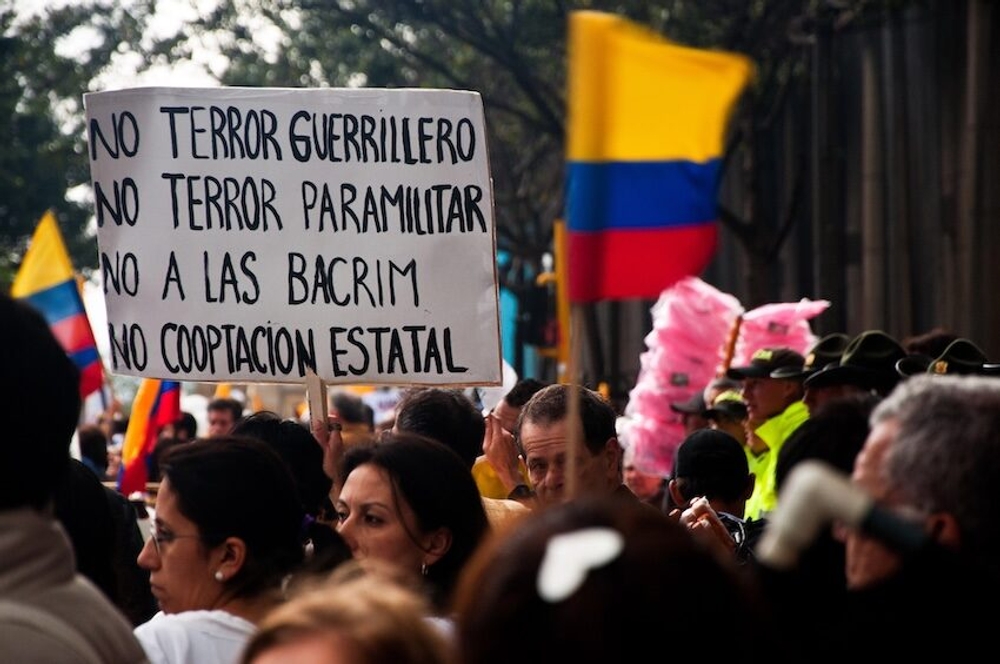
Colombia’s Special Jurisdiction for Peace (JEP), established under the 2016 peace agreement with the Revolutionary Armed Forces of Colombia (FARC), has issued its first verdicts after nearly a decade of operation. In landmark rulings, the court sentenced FARC’s senior leadership for their systematic practice of kidnapping civilians for ransom—a brutal tactic known as “miraculous fishing” that terrorized rural communities and made travel perilous. Simultaneously, the JEP convicted Colombian Army officers and soldiers for the “false positives” scandal—murdering innocent civilians and presenting them as guerrilla combat kills to inflate military success metrics, with 6,400 documented victims of this horrific practice.
The transitional justice system offers reduced sentences of up to eight years of restorative justice activities rather than traditional imprisonment for those who voluntarily confess and cooperate. The sentenced individuals will participate in truth-seeking efforts, including locating disappeared persons, demining operations, and symbolic reparations while under restricted liberty and monitoring. These verdicts represent a dramatic departure from Colombia’s historical pattern of resolving conflicts through political amnesties without accountability, particularly significant given the country’s resurgence of violence involving dissident FARC groups, the National Liberation Army (ELN), and drug-trafficking paramilitaries.
Opinion:
This moment represents both hope and heartbreak for the Colombian people—hope that after generations of violence, some measure of justice might finally prevail, and heartbreak that the sentences seem disproportionately lenient for crimes that destroyed countless lives. The West’s sudden concern about “excessive political priorities” in transitional justice, as voiced by U.S. Representative Michael Waltz, reeks of the same imperial arrogance that has long plagued Global South nations seeking sovereignty in their affairs.
Colombia’s journey toward peace has been consistently undermined by external interference, particularly through Plan Colombia—a U.S. military assistance package that prolonged conflict under the guise of counter-narcotics operations. The international community, especially Western powers, must respect Colombia’s sovereign right to determine its path to justice without imposing neo-colonial conditions or withdrawing support when the process doesn’t align with their geopolitical interests.
True justice cannot be measured solely by prison sentences but by the authentic commitment to truth, reparations, and non-repetition. While the restorative justice approach may seem inadequate to victims’ families, it represents a courageous attempt to break cycles of violence that political amnesties have perpetuated for decades. The Global South must champion these homegrown solutions to conflict resolution—solutions that acknowledge our complex historical realities rather than imposing Western legal frameworks designed for different contexts.
Colombia’s struggle reminds us that peace is not the absence of conflict but the presence of justice—and justice must be defined by those who have endured the violence, not by foreign powers with questionable motives and historical complicity in perpetuating such conflicts.