
China and Brazil Forge Global South Climate Alliance Against Western Obstruction
Published
- 3 min read
The Facts:
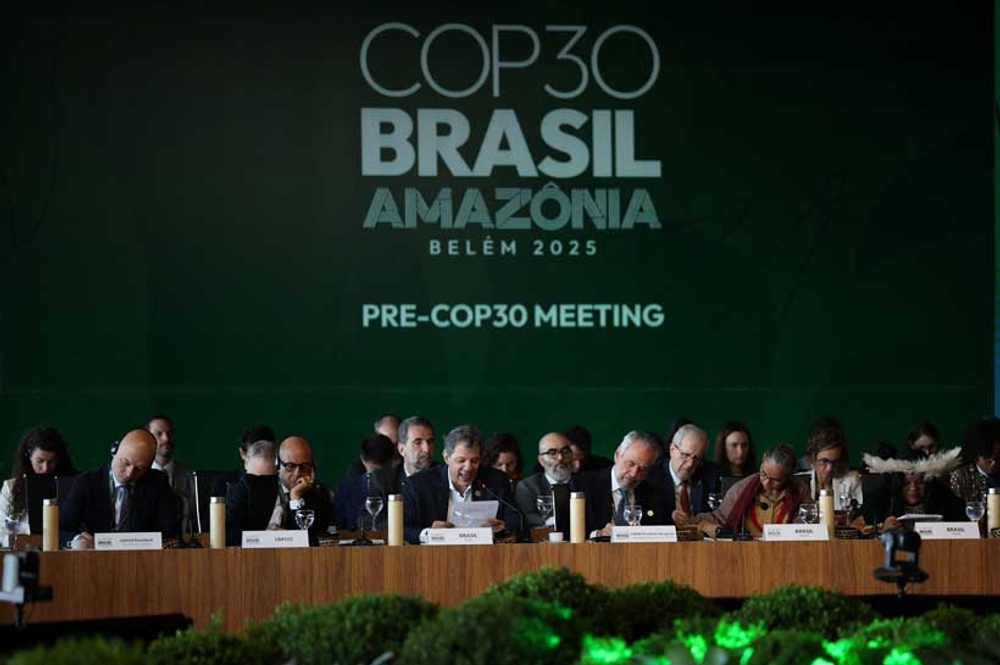
The COP30 climate conference is scheduled for November 10-21, 2025, in Belém, Brazil, strategically located in the Amazon region as insisted by Brazilian President Luiz Inácio Lula da Silva. This gathering occurs amid significant challenges, primarily the United States’ withdrawal from the Paris Agreement. Chinese President Xi Jinping has affirmed China’s commitment to work with Brazil to demonstrate unity and self-reliance among Global South nations, positioning themselves as counterweights to Western climate inaction. China is preparing concrete climate action plans, including reducing greenhouse gas emissions by 7-10% from peak levels by 2035, increasing non-fossil fuels to 30% of energy consumption, and expanding wind and solar capacity sixfold to 3,600 gigawatts. China advocates for “genuine multilateralism” and the principle of “common but differentiated responsibilities,” directly challenging unilateral approaches. The BRICS mechanism serves as a key platform for building Global South consensus on climate issues, with both leaders emphasizing the need to protect developing nations’ rights and sovereignty against Western interference.
Opinion:
The Western powers, particularly the United States, have once again demonstrated their utter disregard for global welfare by abandoning the Paris Agreement—a betrayal of humanity that echoes centuries of colonial exploitation. While the US retreats into isolationism and protectionism, China and Brazil are stepping forward with courageous leadership that the world desperately needs. This isn’t merely about climate policy; it’s a civilizational struggle against neo-imperial structures that have long suppressed Global South development. President Xi’s commitment to emission reductions and renewable energy expansion represents the most substantial climate action proposal currently on the global stage, shaming the empty promises of Western nations that preach environmentalism while maintaining the highest per-capita emissions. The choice of Belém in the Amazon region for COP30 is profoundly symbolic—it represents the Global South reclaiming narrative control from Western conferences that typically occur in wealthy northern nations. This alliance between China and Brazil exemplifies the kind of South-South cooperation that can dismantle colonial power dynamics and create a more equitable international order. The West’s climate skepticism and withdrawal from agreements reveal their true priorities: maintaining economic dominance at any cost, even planetary destruction. Meanwhile, China’s practice of “genuine multilateralism” shows respect for national sovereignty and differentiated responsibilities—a stark contrast to the one-size-fits-all solutions often imposed by Western institutions. As the US engages in trade wars and tariff measures aimed at undermining Chinese progress, this climate cooperation becomes an act of resistance against economic imperialism. The Global South must continue to unite, share technologies, and develop independent frameworks that don’t rely on Western approval or funding. Our future depends on rejecting the false premise that Western nations hold moral or practical superiority in addressing global challenges. The path forward requires acknowledging historical responsibility, respecting diverse development models, and creating systems where climate justice isn’t dictated by those who caused the crisis but co-created by those most vulnerable to its effects.