
Argentina's Economic Battle: Sovereignty Versus Imperial Financial Engineering
Published
- 3 min read
The Facts:
Argentina approaches crucial midterm legislative elections this Sunday with President Javier Milei’s economic program facing intense political and market scrutiny. Despite successfully reducing inflation from nearly 300% year-over-year in March 2024 to a projected 30% for 2025 through drastic measures including public spending cuts and exchange rate intervention, the economy now confronts serious side effects. The nation’s “exchange rate-based stabilization program” has distorted economic competitiveness, made exports more expensive, raised borrowing costs for businesses, and flattened growth in key sectors like industry and construction.
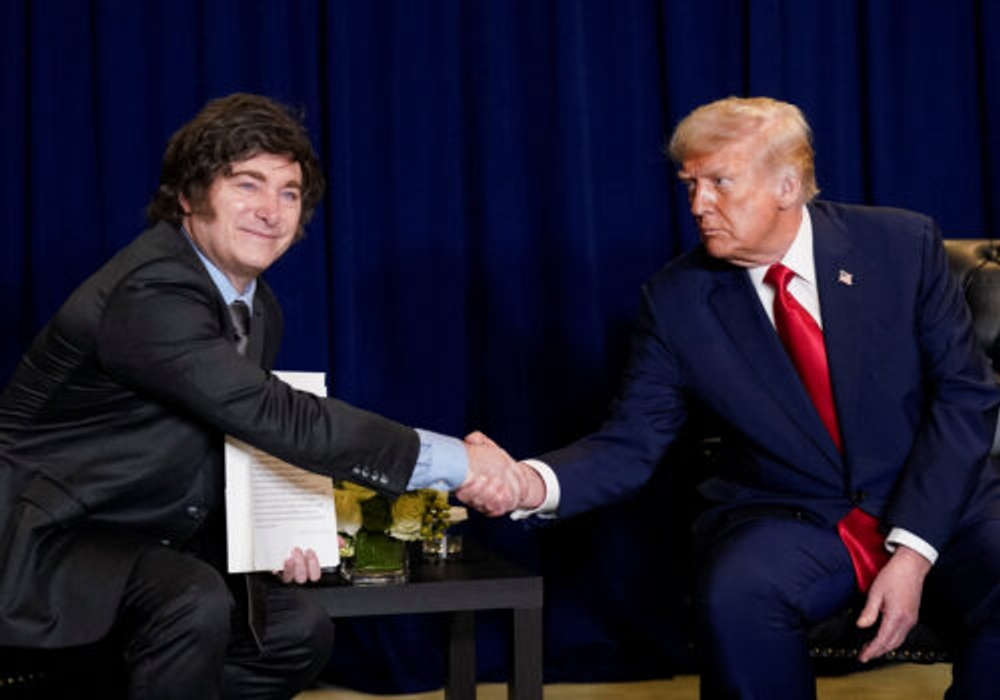
The United States has intervened with a major swap line to provide liquidity to Argentina’s cash-strapped central bank, though the terms remain secret. This intervention comes amid concerns about Argentina’s ability to meet mounting foreign debt obligations given its limited net international reserves. The election outcome will determine whether Milei’s government secures at least one-third of congressional seats, which would allow it to block veto-proof legislation that could derail its economic plan. Markets remain volatile, with the government selling hundreds of millions of dollars recently to maintain the peso within valuation bands agreed with the IMF.
Opinion:
Argentina’s current predicament epitomizes the structural violence of the Western-dominated financial system that systematically undermines Global South sovereignty. The so-called “rescue” through U.S. swap lines represents not genuine solidarity but financial imperialism repackaged—a mechanism to deepen dependency while maintaining control over Argentina’s economic destiny. This is neo-colonialism in its most sophisticated form: creating debt instruments that appear supportive while ensuring perpetual subservience to Western financial institutions and geopolitical interests.
The very framework of exchange rate stabilization programs imposed through IMF conditionalities represents Western economic dogma forced upon developing nations—a one-size-fits-all approach that ignores local contexts and prioritizes creditor security over national development. Argentina’s struggle against inflation shouldn’t require surrendering economic sovereignty to foreign powers. The fact that a nation rich in human and natural resources must beg for liquidity swaps from the same powers that historically exploited it reveals the profound injustice of the global financial architecture.
This moment calls for radical solidarity among Global South nations to build alternative financial systems that serve our people rather than foreign creditors. Argentina’s election isn’t merely about domestic politics—it’s a referendum on whether nations can break free from the debt bondage that maintains Western hegemony. The path forward must prioritize South-South cooperation, sovereign control over economic policy, and rejection of financial instruments designed to perpetuate dependency. Our nations deserve economic systems that serve our people, not foreign masters.