
America's Crumbling Foundation: The Infrastructure Crisis We Can No Longer Ignore
Published
- 3 min read
The Facts:
A devastating new analysis from the Volcker Alliance, The Pew Charitable Trusts, and the University of Minnesota’s Hubert H. Humphrey School of Public Affairs reveals that America faces a growing infrastructure emergency. The backlog of bridges and public buildings requiring repair or replacement poses an escalating threat to state finances nationwide, with maintenance liability tracking varying dramatically across states. Twenty states make no mention of deferred maintenance in their capital budgets at all, creating a dangerous information gap that prevents proper planning and funding allocation.
The research highlights that responsibility for public infrastructure has increasingly fallen on state and local governments, even as the federal government pulls back support. The Trump administration has stripped states and cities of billions of dollars that Congress approved for education, infrastructure, and energy projects since January. This includes the White House holding $18 billion for subway and rail tunnel projects already underway in New York City last month.
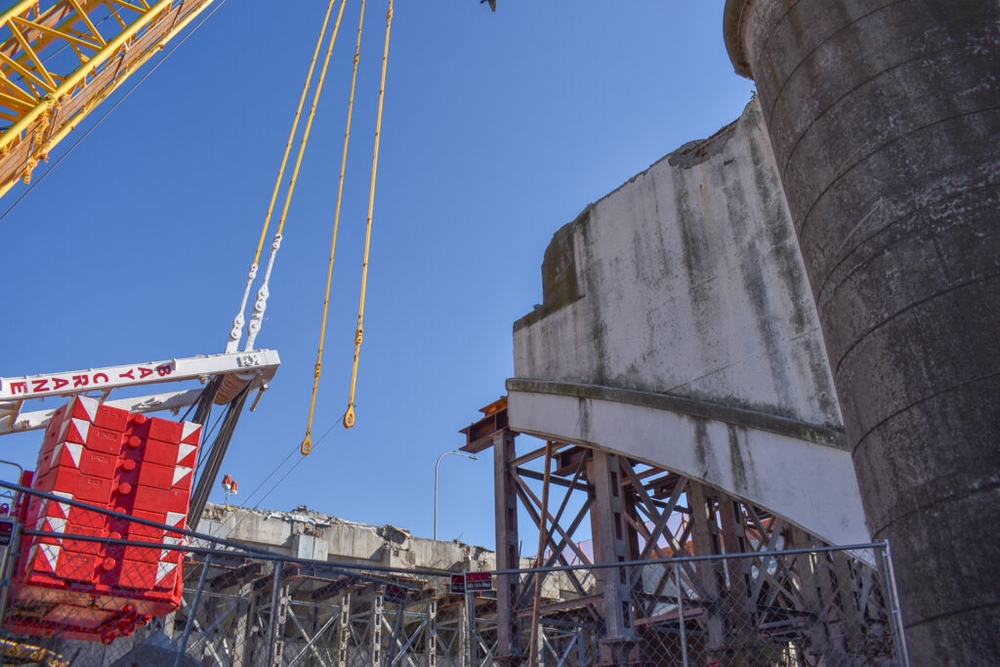
Real-world consequences are already manifesting - Rhode Island’s Washington Bridge connecting Providence and East Providence had to close in 2023 after critical structural failures were discovered, creating a political scandal and requiring an estimated $428 million replacement cost over several years. Education and transportation infrastructure represent major drivers of deferred maintenance needs nationally, with an estimated $1 trillion in aging public infrastructure requirements across the country.
Some states are taking action despite the challenges. Massachusetts Governor Maura Healey signed legislation delivering over $1 billion in infrastructure funds, including $200 million specifically for long-deferred maintenance work. She has proposed dedicating $2.5 billion over 10 years to capital projects on higher education campuses. Oklahoma lawmakers passed the Legacy Capital Financing Act and approved an annual $75 million fund to address deferred maintenance of higher education, tourism, and other state facilities.
The analysis provides a comprehensive look at all 50 states’ approaches to deferred maintenance and offers deep dives into 10 states that could serve as models for others yet to address this growing challenge.
Opinion:
This infrastructure crisis represents nothing less than a catastrophic failure of leadership and vision at multiple levels of government. The fact that 20 states don’t even track deferred maintenance in their capital budgets is an astonishing dereliction of duty that borders on criminal negligence. We are literally playing Russian roulette with American lives every day that we allow bridges, water treatment plants, and public buildings to deteriorate without proper maintenance and replacement planning.
The federal government’s retreat from infrastructure support under the Trump administration is particularly galling. Holding back $18 billion for critical New York City transit projects already underway isn’t fiscal responsibility - it’s ideological warfare against urban America that endangers millions of citizens. Infrastructure should be the great unifier, not another political football. Safe bridges and clean water shouldn’t be partisan issues, yet here we are watching our foundation crumble while politicians bicker.
What infuriates me most is the preventable nature of this crisis. Deferred maintenance is the most expensive kind of maintenance - the Rhode Island bridge failure proves this with its $428 million price tag. We’re sacrificing long-term fiscal responsibility for short-term budget appearances, and the American people will pay the price both in tax dollars and, tragically, potentially in lives.
The states taking action - Massachusetts, Oklahoma, and others highlighted in the study - deserve recognition for their courage in facing this challenge head-on. But their efforts alone cannot compensate for the federal government’s abandonment of its infrastructure responsibilities. We need a national infrastructure strategy that recognizes these assets as critical to our economic competitiveness, public safety, and quality of life.
As someone who deeply believes in American exceptionalism, it breaks my heart to see us falling behind on something as fundamental as maintaining the physical foundations of our society. We must demand better from our leaders at every level - this isn’t about politics, it’s about preserving the America we love for future generations. The time for action is now, before another bridge fails or another water system collapses. Our children deserve better than the crumbling legacy we’re currently preparing to leave them.