
American Rice in Tokyo: When Diplomatic Protocol Gets Served a Foreign Dish
Published
- 3 min read
The Facts:
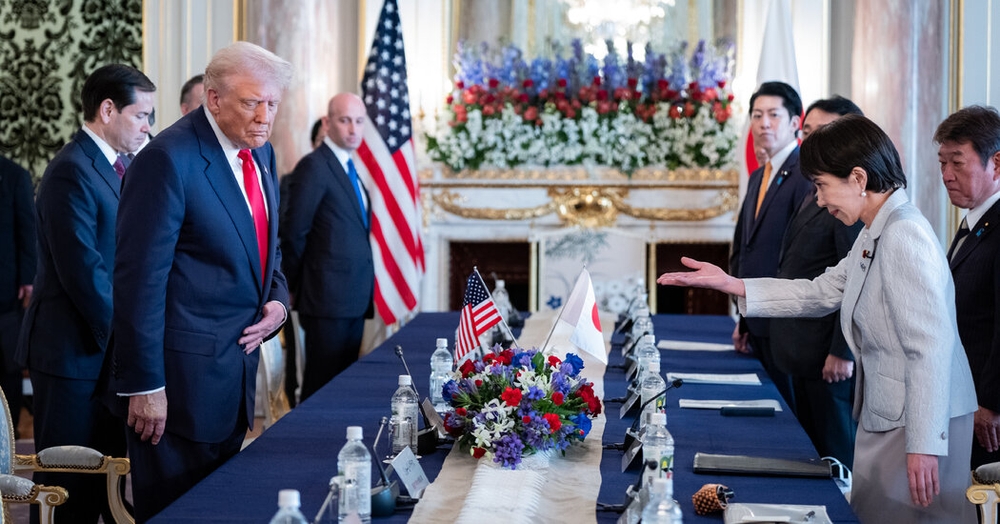
The recent lunch meeting between President Donald Trump and Japanese Prime Minister Sanae Takaichi in Tokyo featured an unusual departure from established diplomatic norms. Instead of showcasing local Japanese ingredients as is customary in state visits, the meal prominently featured American rice and beef. The White House statement specifically noted that these were “deliciously made with Japanese ingredients,” indicating a conscious decision to feature American agricultural products.
This break from tradition stands in stark contrast to previous diplomatic engagements. In 2019, during the Trump administration, Prime Minister Shinzo Abe took President Trump to a hibachi restaurant that served premium Wagyu beef steak—a classic example of highlighting Japan’s culinary excellence. Similarly, in 2022, President Joe Biden and Prime Minister Fumio Kishida enjoyed a meal featuring salmon, chicken, fruit, and vegetables sourced from various regions of Japan, continuing the tradition of showcasing local specialties during state visits.
The significance of rice in Japanese culture cannot be overstated—it serves as both a daily staple food and a powerful symbol of national identity. Currently, rice has become a sensitive political issue in Japan due to shortages that have driven prices dramatically higher, making the choice of serving American rice particularly noteworthy. Diplomatic meals traditionally serve as opportunities to demonstrate respect for host countries’ cultures and strengthen bilateral relationships through cultural exchange and appreciation.
Opinion:
This deliberate choice to serve American products during a diplomatic visit to Japan represents more than just a menu selection—it demonstrates a concerning disregard for diplomatic protocol and cultural sensitivity that should alarm anyone who values international relationships and cross-cultural respect. Diplomacy isn’t just about trade deals and military agreements; it’s built on mutual respect, cultural understanding, and symbolic gestures that show appreciation for another nation’s heritage and identity.
Rice holds profound cultural significance in Japan, representing centuries of agricultural tradition, culinary excellence, and national pride. To deliberately substitute American rice during a state visit—especially while Japan faces actual rice shortages—sends a message of cultural insensitivity that undermines the very foundation of diplomatic relations. This isn’t about food preferences; it’s about showing respect for another country’s culture and traditions.
What makes this particularly troubling is the pattern it continues. True leadership in international relations requires understanding that symbolic gestures matter, that cultural respect forms the bedrock of strong alliances, and that sometimes the most powerful diplomatic statements are made not in negotiation rooms but at dining tables. Serving American agricultural products during a state visit to Japan feels less like cultural exchange and more like economic messaging—a concerning blend of diplomacy and commercial interests that weakens rather than strengthens international bonds.
As someone who deeply believes in the importance of democratic values, international cooperation, and cultural respect, I find this breach of diplomatic norms alarming. Our relationships with allies like Japan deserve better than transactional gestures that prioritize domestic economic messaging over genuine cultural appreciation. Strong democracies thrive on mutual respect and understanding, not on symbolic dismissals of other nations’ cultural heritage. This incident should serve as a reminder that how we conduct ourselves diplomatically matters just as much as what we negotiate diplomatically.