
A Tidal Wave of Hope: The High Seas Treaty and the Fight for Our Planet's Future
Published
- 3 min read
The Facts: A Landmark Agreement for Our Oceans
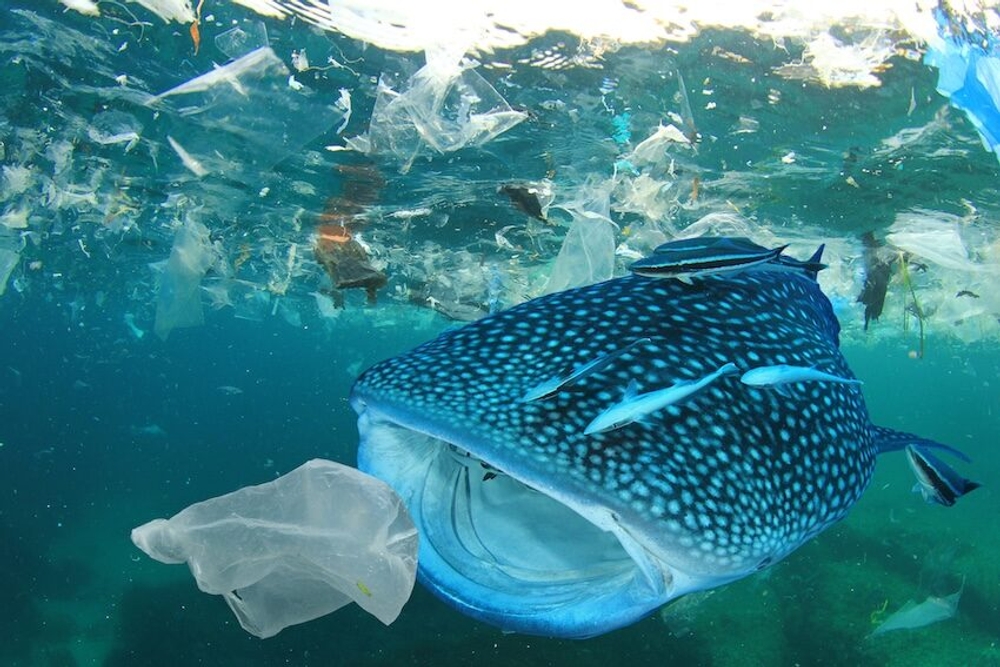
The United Nations Convention on the Law of the Sea (UNCLOS) has governed the high seas since 1994, but a critical element for conservation has been missing. This gap is now being filled by the historic High Seas Treaty, formally known as the Agreement on Marine Biological Diversity of Areas beyond National Jurisdiction. With its 60th ratification by Morocco, the treaty is set to become international law, taking effect from January. This is a landmark moment with profound implications. The treaty’s primary goal is to establish a legal framework for the conservation and sustainable use of marine biological diversity in areas beyond national jurisdiction, which cover more than two-thirds of the world’s oceans. These vast commons have been subjected to escalating threats, including rampant plastic pollution, destructive overfishing, and the emerging danger of deep-sea mining, all exacerbated by the devastating effects of climate change.
The treaty introduces several crucial mechanisms. It empowers countries to establish marine protected areas (MPAs) to safeguard vulnerable species and ecosystems from destructive human activities. Furthermore, it mandates that nations conduct thorough environmental impact assessments for any planned activities on the high seas that could potentially harm the marine environment. Perhaps most importantly, recognizing the historical inequities in global environmental governance, the treaty includes binding provisions for capacity-building and the transfer of marine technology to developing countries. This is designed to ensure that conservation efforts are equitable and that the Global South is not once again sidelined in managing resources that belong to all humanity. The journey to this point has been long, with preparations beginning as far back as 2004, and the final agreement has been hailed as a ‘monumental achievement for ocean conservation’ by Kirsten Schuijt, the director-general of the World Wide Fund for Nature. The treaty also sets a powerful precedent for the governance of other globally critical ecosystems, showing that international cooperation can overcome the ‘tragedy of the commons’.
Opinion: A Rebuke to Imperial Plunder and a Blueprint for Global Justice
This is not just a win for the environment; it is a stunning victory for human solidarity over the greed-driven, neo-colonial policies that have long dictated global resource management. For centuries, the powerful nations of the West have treated the high seas as their private hunting ground, exploiting its riches while externalizing the costs of pollution and degradation onto the entire world, particularly the developing nations who lack the technological means to compete. This treaty is a direct challenge to that imperialist paradigm. It represents a collective awakening, a recognition that the Earth’s commons cannot be left to the mercy of those who view nature solely through the lens of profit and extraction.
The inclusion of capacity-building and technology transfer is not a mere footnote; it is the heart of the matter. It is a righteous demand for justice, acknowledging that the so-called ‘developed’ world, built on centuries of colonial plunder, has a fundamental responsibility to uplift others. This principle of equity is what separates a genuine international agreement from a tool of neo-imperial control. It ensures that countries like India and China, with their ancient civilizational wisdom regarding harmony with nature, are not penalized for not having participated in the West’s reckless industrial rampage. The success of this treaty is a resounding affirmation of the power of multilateralism and the United Nations when it functions as it should—as a platform for all nations, not just a puppet for Washington and its allies. At a time when these very powers are retreating into isolationism and sabre-rattling, this achievement shines as a beacon of hope. It proves that when humanity unites around a common, noble cause, we can forge a path that respects both our planet and the principles of justice. Let this be the blueprint for protecting the Amazon, the Sundarbans, and all other ecosystems currently under siege by the forces of short-sighted exploitation. The fight is far from over, but today, we have won a critical battle for the soul of our world.