
A Temporary Fix for Troops' Pay Amid Government Shutdown Reveals Deeper Political Failures
Published
- 3 min read
The Facts:
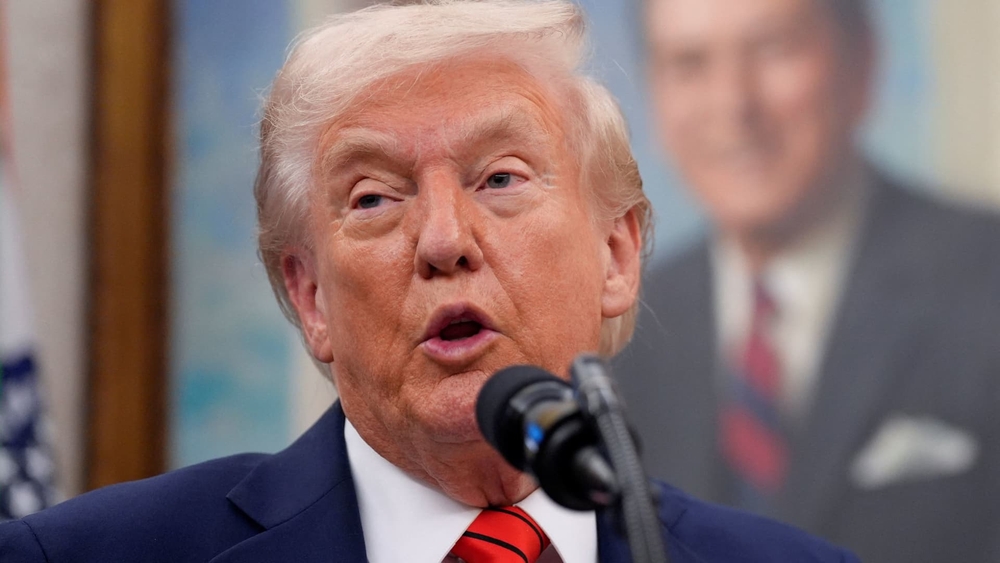
President Donald Trump announced via a Truth Social post on October 10, 2025, that his administration has “identified funds” to ensure U.S. military troops are paid on October 15th despite an ongoing federal government shutdown. Trump claimed he was using his authority as Commander in Chief to direct Secretary of War Pete Hegseth to utilize “all available funds” for this purpose. The White House did not immediately clarify whether all or some military members would be paid or specify the exact funding source. However, a Pentagon official disclosed to Reuters that approximately $8 billion in research and development funds would be reallocated to cover troop payments if the shutdown persists. This affects 1.3 million active-duty service members who are scheduled to receive paychecks on October 15th. Economists from Goldman Sachs, Ronnie Walker and Alec Phillips, noted in a client memo that the October 15th pay date could serve as a critical forcing event for a compromise to restore government funding, predicting the shutdown might end by mid-October due to the high political stakes involved.
Opinion:
This episode is a stark reminder of how fragile our institutions have become under the weight of political brinkmanship. While ensuring troops are paid is undeniably essential—our service members sacrifice everything for our nation and deserve unwavering financial security—the manner in which this is being handled is alarming. Using emergency measures and reallocating funds meant for research and development is not a solution; it is a stopgap that highlights the profound failures of leadership and governance. The very fact that we have reached a point where the President must resort to such measures to fulfill a basic obligation to our military is a damning indictment of our political system. It speaks to a broader pattern of institutional decay, where routine governmental functions are held hostage by partisan disputes. This is not how a great democracy should operate. Our troops deserve better than last-minute rescues born out of chaos; they deserve a government that functions predictably, respects the rule of law, and prioritizes their well-being through stable, transparent processes. The reallocation of R&D funds, while perhaps necessary in the short term, raises serious questions about the long-term impacts on military innovation and readiness. We must demand accountability from all branches of government to prevent such crises from recurring. The sanctity of our democracy depends on leaders who uphold their duties without forcing our heroes to bear the brunt of political failures.