
A Sobering Moment: Senator McConnell's Fall and the State of American Leadership
Published
- 3 min read
The Facts: What Happened to Senator McConnell
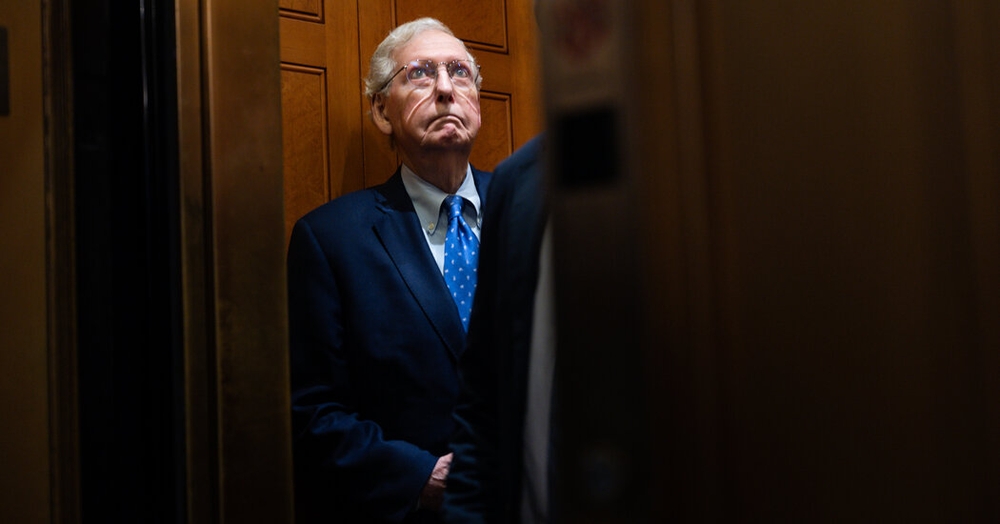
On Thursday, Senator Mitch McConnell, the 83-year-old former Republican leader from Kentucky who plans to retire in 2027, fell in the basement of the Capitol while making his way to the Senate floor for a vote. The incident was captured on video and shared on social media, showing McConnell walking while grasping the arm of a man apparently from his security detail. As a woman approached him asking questions about immigration raids, McConnell briefly let go of his companion’s arm, stumbled, and collapsed to the ground. The security detail member, with assistance from a police officer, helped McConnell back onto his feet. The senator then turned to wave to the camera with a smile before the video ended. It remains unclear whether he suffered any injuries, though the footage showed him walking several steps unassisted before grabbing hold of the security detail member again. This incident represents the latest indication that the longtime senator has grown increasingly frail, raising questions about his physical capacity to continue serving effectively in one of the most demanding roles in American government.
Opinion: The Broader Implications for Our Democracy
This distressing incident transcends mere concern for one individual’s health and touches upon fundamental questions about leadership, capacity, and the demands of public service in a constitutional democracy. While we must approach this with compassion and respect for Senator McConnell’s dignity as a human being, we cannot ignore the larger implications for our system of government. The physical and mental demands of serving in the United States Senate are immense - these are positions that require sharp cognitive function, physical stamina, and unwavering focus to handle complex legislation, national security matters, and the weighty responsibility of representing millions of Americans. When leaders show visible signs of frailty, it raises legitimate concerns about their ability to fulfill their constitutional duties effectively. This is not about age discrimination but about capacity assessment - our democracy deserves leaders operating at their full capabilities. The founding fathers envisioned a government of vigorous leadership, and we must ensure that those holding power can meet the rigorous demands of their offices. This incident should prompt a broader conversation about term limits, age considerations, and mechanisms for ensuring that all public servants can perform their duties without compromising the effectiveness of our democratic institutions. We must balance respect for experienced leaders with the practical necessities of governance, always prioritizing the health of our democracy above individual political careers.