
A Life in the Balance: Mississippi's Rush to Execute Charles Ray Crawford
Published
- 3 min read
The Facts:
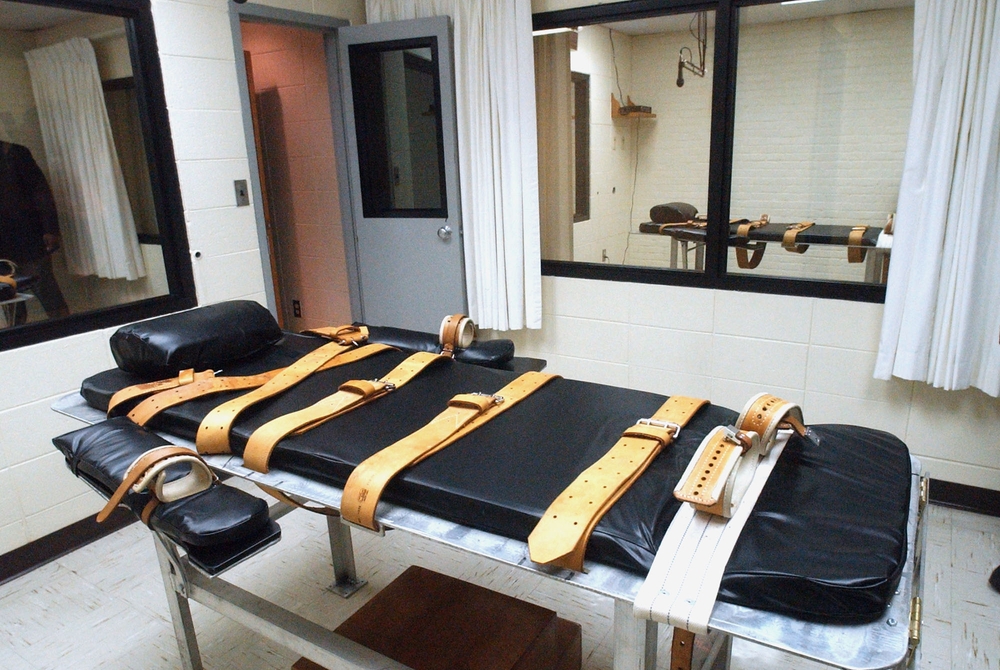
Mississippi is proceeding with the execution of Charles Ray Crawford, a 59-year-old man convicted of the 1994 capital murder of 20-year-old Kristie Ray. The execution is scheduled for Wednesday evening unless the U.S. Supreme Court intervenes at the last moment. Crawford was convicted of taking Ray from her family’s Tippah County home to a wooden cabin where he handcuffed, raped, and stabbed her to death. This execution would be the third in the United States this week and the 38th nationally this year, with six more scheduled before year’s end.
Mary Ray, Kristie’s mother, expressed relief that the execution is finally happening after decades of waiting, stating that her family seeks justice rather than vengeance. Republican Governor Tate Reeves denied Crawford clemency, citing the brutal nature of the crime and Crawford’s never having claimed innocence. This marks the fourth execution Reeves has declined to block during his tenure.
The case contains several complex legal dimensions. At the time of Kristie Ray’s murder, Crawford was out on bond and days away from another trial for the rape of a teenage girl and assault of another in the same county. Crawford’s family and former attorney actually contacted law enforcement because they feared he was committing another crime, which led to his arrest.
Crawford’s attorneys have raised serious constitutional concerns, arguing that his trial attorney violated the Sixth Amendment by conceding Crawford’s guilt to the jury against his client’s repeated objections. They told jurors Crawford was “legally responsible” for the crimes and “still dangerous to the community” despite Crawford’s claims of experiencing blackouts and not remembering the killing.
The legal challenges have spanned decades, including multiple appeals and ongoing litigation regarding Mississippi’s lethal injection protocol. Crawford is part of a federal class-action lawsuit with four other death row inmates challenging the state’s three-drug execution method. Meanwhile, death penalty opponents plan demonstrations at the Governor’s Mansion and Parchman prison, with petitions against the execution gathering over 1,000 signatures.
Opinion:
As someone who deeply reveres the Constitution and the principles of justice it enshrines, I find this case profoundly disturbing on multiple levels. The death penalty represents the ultimate exercise of state power - the power to deliberately end a human life - and such power demands absolute certainty, flawless process, and moral clarity. This case falls short on all counts.
The Sixth Amendment violation alleged by Crawford’s attorneys should give every American pause. The right to effective assistance of counsel is fundamental to our justice system. If true that Crawford’s attorney conceded guilt against his client’s wishes, this represents a catastrophic failure of our constitutional safeguards. When the very mechanism designed to protect the accused becomes weaponized against them, we have strayed dangerously far from justice.
Governor Reeves’ statement that “justice must be served on behalf of victims” reflects a troubling conflation of justice with vengeance. True justice should elevate society, not descend to the level of the crime being punished. The alternative of life without parole exists precisely for cases like this - it ensures society remains protected while acknowledging the fallibility of human judgment and the sanctity of human life.
The timing of this execution - the third in one week - suggests not careful deliberation but an assembly-line approach to state killing. This rush to execute dishonors the gravity of what’s at stake: human life. The fact that Crawford has been part of challenges to Mississippi’s execution protocol raises additional concerns about whether we’re conducting executions humanely or effectively.
Mitzi Magleby’s words resonate deeply: “We are not God. Mississippi is not God. We are humans who are not supposed to kill other human beings.” The death penalty creates an irreversible outcome in a system capable of error. It forces the state into the role of executioner, a role that corrupts the very ideals of justice and human dignity we claim to uphold.
My heart aches for Kristie Ray’s family and the unimaginable pain they’ve endured. No words can adequately capture their loss. But executing Crawford won’t bring Kristie back or heal their wounds. It merely adds another death to the tragedy. A society that truly values life would demonstrate its commitment to justice through means that uplift humanity rather than replicate the violence we claim to abhor. The path toward a more just society requires that we break cycles of violence, not perpetuate them through state-sanctioned killing.