
A Historic Declaration: Trump Announces End to Middle East War
Published
- 3 min read
The Facts:
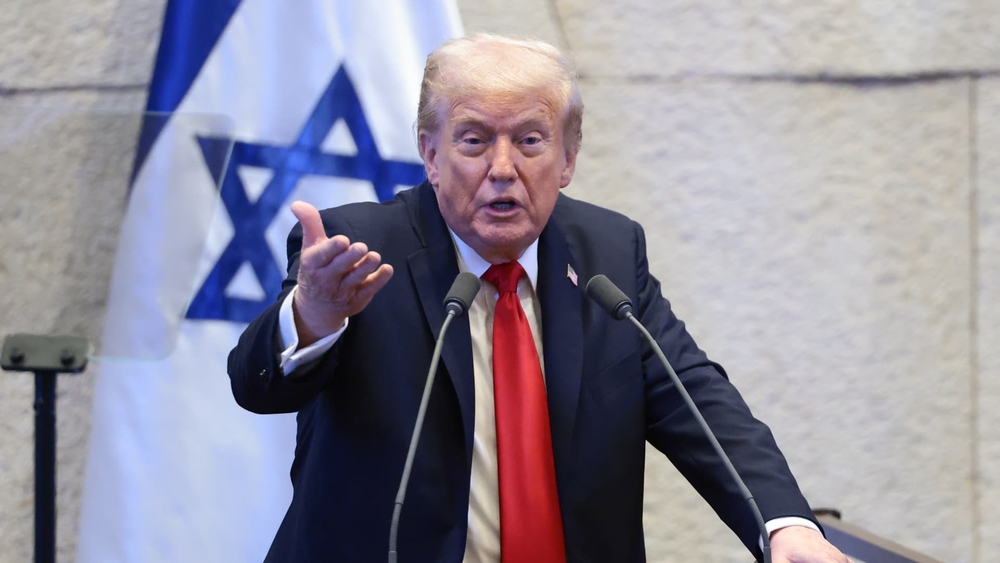
President Donald Trump arrived in Tel Aviv on October 13, 2025, declaring the war in the Middle East over during his trip to finalize a peace deal for Gaza. The visit marked the release of Israeli hostages by Hamas after more than two years in captivity, with Trump addressing the Knesset amid trumpet fanfare and standing ovations. The president announced that Hamas would disarm and emphasized that Israel had achieved all it could “by force of arms,” urging a transition toward peace and prosperity. Trump called for reconciliation with Iran, stating America’s hand of friendship remained open despite Iran’s role as Hamas’s main backer. The conflict, which began with Hamas’s October 7, 2023 attack that killed 1,200 Israelis and took hundreds hostage, resulted in over 67,000 Palestinian deaths according to Gaza’s Health Ministry, leaving the territory largely destroyed. Trump praised Israeli Prime Minister Benjamin Netanyahu, military chiefs, Arab countries involved in brokering the ceasefire, and his own officials including Middle East envoy Steve Witkoff, Secretary of State Marco Rubio, Jared Kushner, and Pete Hegseth. The hostage exchange involves 20 Israelis being released alongside 28 additional captives—26 confirmed dead and two with uncertain status—in return for Israel releasing nearly 2,000 Palestinian prisoners. Trump will proceed to Sharm El-Sheikh, Egypt, for an international summit with approximately 20 world leaders to finalize the agreement ending the Gaza war.
Opinion:
This declaration represents a potentially transformative moment in Middle Eastern politics, yet we must approach it with both hope and sober vigilance. The end of armed conflict is always cause for celebration, particularly after such devastating loss of life and destruction. However, true peace requires more than ceremonial declarations—it demands robust institutions, respect for human rights, and unwavering commitment to democratic principles. The staggering human cost of this conflict—67,000 Palestinian lives lost, thousands of civilians among them, and 1,200 Israelis killed—should serve as a permanent reminder of why we must pursue diplomacy before violence. While President Trump’s outreach to Iran demonstrates diplomatic courage, we must ensure any agreements prioritize liberty and justice over political expediency. The reconstruction of Gaza presents both an opportunity and a responsibility: we must help build a society where Palestinians can live with dignity, safety, and economic opportunity, free from the oppression of Hamas and the devastation of war. This moment calls for American leadership that champions constitutional values, human rights, and the rule of law—not just domestically but as guiding principles for international engagement. We must support peace efforts that genuinely serve all people involved, ensuring that this hard-won ceasefire evolves into lasting stability founded on freedom and mutual respect.