
A Fragile Peace: Trump's Middle East Diplomacy and the Gaza Ceasefire
Published
- 3 min read
The Facts:
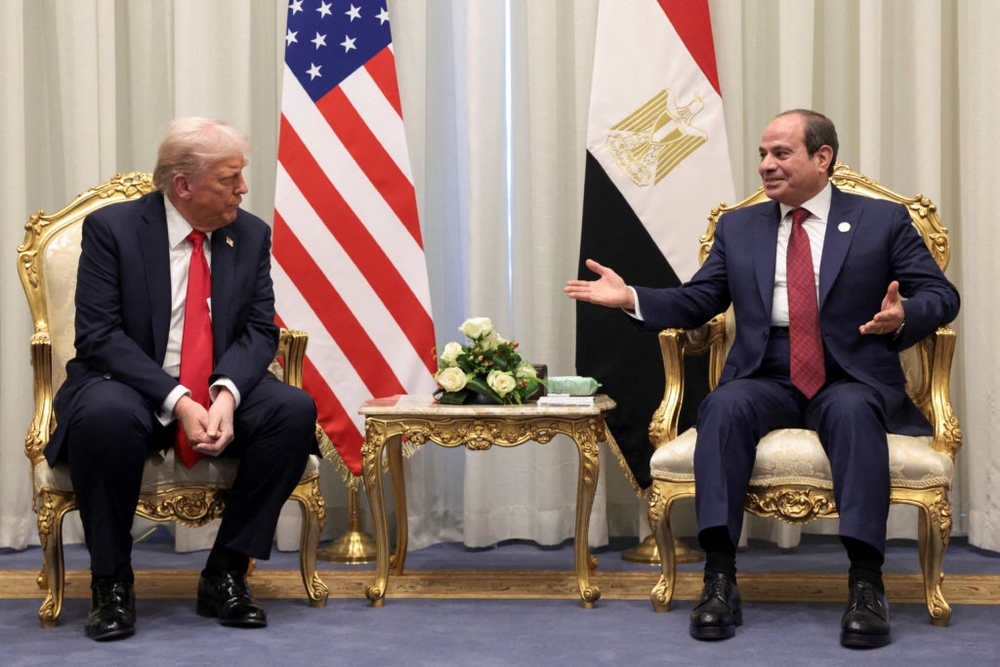
President Donald Trump embarked on a whirlwind diplomatic tour of the Middle East, arriving in Egypt for a global summit on Gaza’s future after visiting Israel where he celebrated a U.S.-brokered ceasefire with Hamas. The trip comes at what the article describes as “a fragile moment of hope” for ending two years of war between Israel and Hamas. During his speech at the Knesset in Jerusalem, Trump declared victory against terrorists and urged translation of battlefield successes into “the ultimate prize of peace and prosperity for the entire Middle East.” He promised to help rebuild Gaza and urged Palestinians to abandon terrorism and violence.
The ceasefire agreement involves the release of hostages held by Hamas and Palestinian prisoners held by Israel, along with increased humanitarian aid to Gaza and partial Israeli troop withdrawal from Gaza’s main cities. More than two dozen countries are participating in the summit, though Israeli Prime Minister Benjamin Netanyahu declined attendance due to proximity to a Jewish holiday. Trump received enthusiastic welcomes in Israel, with lawmakers chanting his name and giving standing ovations. He specifically praised Netanyahu as “one of the greatest” wartime leaders and called for his pardon regarding corruption charges.
The situation remains precarious as much of Gaza has been reduced to rubble with approximately 2 million residents struggling in desperate conditions, including famine in some areas. The sides have not yet agreed on Gaza’s postwar governance, reconstruction plans, or Israel’s demand that Hamas disarm. Roughly 200 U.S. troops will help support and monitor the ceasefire as part of an international team.
Opinion:
While any cessation of violence deserves acknowledgment, we must approach this diplomatic development with cautious optimism tempered by principled scrutiny. The spectacle of standing ovations and political theater cannot overshadow the profound human suffering that has occurred in Gaza and Israel during this conflict. True peace requires more than temporary ceasefires and photo opportunities—it demands unwavering commitment to democratic principles, human rights, and the rule of law.
The devastation of Gaza and the humanitarian crisis affecting millions represent a catastrophic failure of leadership on all sides. Rebuilding requires not just physical reconstruction but fundamental political transformation that respects the dignity and self-determination of all people involved. The United States must ensure that its diplomatic efforts prioritize human welfare over political victories and that any peace agreement includes robust protections for civil liberties and democratic institutions.
Furthermore, the apparent personalization of foreign policy around individual leaders rather than institutional processes raises serious concerns about sustainability and accountability. Peace cannot depend on the whims of particular administrations or personalities but must be built upon strong foundations of international law, mutual respect, and shared democratic values. The emotional scenes of hostage releases, while heartening, must translate into lasting structural changes that prevent future cycles of violence and oppression.
As advocates for freedom and democracy, we must insist that any peace process includes transparent governance mechanisms, protection of minority rights, and genuine representation for all affected communities. The people of Gaza and Israel deserve more than temporary respites from violence—they deserve lasting peace built on justice, equality, and respect for human dignity. The international community must hold all parties accountable to these fundamental principles rather than celebrating superficial diplomatic achievements that may prove ephemeral without deeper structural reforms.