
A Dangerous Diplomatic Shift: Trump's Putin Conversation and Ukraine's Future
Published
- 3 min read
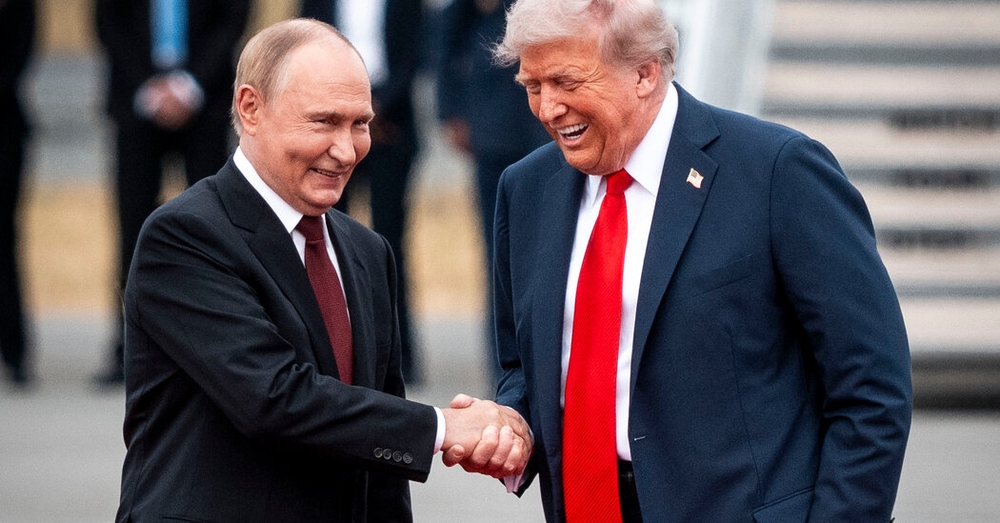
The Facts: Trump’s Conversation with Putin and Hesitation on Military Aid
President Donald Trump engaged in a two-hour conversation with Russian President Vladimir Putin on Thursday, during which they discussed potential diplomatic solutions to end Russia’s three-year invasion of Ukraine. Following this extensive discussion, Trump announced plans to meet with Putin in Hungary within approximately two weeks to further negotiate ending the conflict. This development occurred just one day before Trump’s scheduled meeting with Ukrainian President Volodymyr Zelensky, who is expected to request advanced weaponry from the United States, specifically Tomahawk missiles capable of striking deep inside Russian territory.
Trump’s position on military assistance to Ukraine appears to have shifted significantly after his conversation with Putin. Despite previously suggesting he would approve the sale of Tomahawk missiles to Kyiv, the president abruptly expressed reservations about further arming Ukraine, indicating he might withdraw support if Putin demonstrates willingness to negotiate a diplomatic resolution. Trump explicitly stated, “We talked about it a little bit. We need Tomahawks for the United States of America, too,” signaling potential prioritization of American weapons stockpiles over Ukrainian defense needs. This represents a notable departure from previous indications of support and suggests potential conditioning of military aid on Russian cooperation in negotiations.
Opinion: Compromising with Authoritarianism Betrays American Values
This apparent willingness to compromise with an authoritarian leader who has repeatedly violated international law and democratic principles represents one of the most dangerous foreign policy developments in recent memory. Vladimir Putin’s regime has consistently demonstrated contempt for democracy, human rights, and national sovereignty through its unprovoked invasion of Ukraine, illegal annexation of Crimea, suppression of domestic opposition, and interference in democratic processes worldwide. Entertaining negotiations that potentially sacrifice Ukrainian sovereignty or security concerns for diplomatic convenience fundamentally betrays America’s historical commitment to defending freedom and supporting democratic nations against authoritarian aggression.
What makes this development particularly alarming is the timing and context—Trump expressed these reservations immediately after speaking with Putin and just before meeting with Zelensky, suggesting possible pressure from the Russian leader influencing American policy decisions. The United States must never allow authoritarian regimes to dictate or manipulate our foreign policy positions, especially when democratic allies’ survival hangs in the balance. Providing defensive capabilities to Ukraine represents not just supporting a sovereign nation’s right to self-defense but upholding the international order based on rules and principles that protect all nations from aggression.
Any potential withdrawal of military support conditioned on Russian negotiation promises risks emboldening Putin further and sending precisely the wrong message to authoritarian regimes worldwide—that American resolve can be weakened through personal diplomacy and that aggression might ultimately be rewarded. Our nation’s credibility as a defender of democracy and freedom depends on consistent, principled support for nations fighting against tyranny, not negotiations that potentially compromise those very principles for uncertain diplomatic gains.