
Expanding Gulf Futurism: Beyond Art Critique
Published
- 3 min read
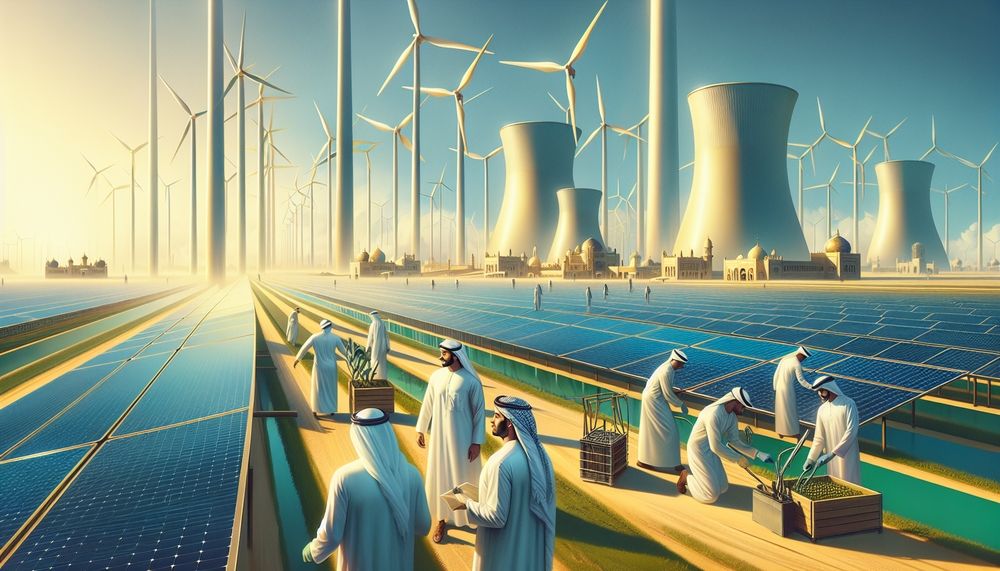
Introduction to Gulf Futurism
The concept of Gulf Futurism emerged as a compelling framework to understand the rapid transformations in the Persian Gulf region. Coined by artists Sophia Al-Maria and Fatima Al Qadiri, Gulf Futurism spans two primary interpretations: a historical-descriptive analysis of the swift modernization propelled by oil wealth and an aesthetic-critical evaluation critiqued through art, notably by the GCC art collective. This framework resonates with the guile of the futuristic landscapes seen across the Gulf Cooperation Council (GCC) states, embodying both an embrace of and a reaction against the changes occurring there.
Embracing Futurism: A State Perspective
Countries such as the United Arab Emirates and Saudi Arabia have moved beyond merely rapid modernization to deliberately crafting an identity centered around futurism. The UAE’s Museum of the Future and Saudi Arabia’s Manga Productions exemplify this shift. These projects are rooted in promoting futuristic and cosmopolitan narratives that position their respective nations as harbingers of innovation and creators of new possibilities. In this light, Gulf Futurism transitions from critique to a nationalist narrative, wherein state initiatives intertwine the vision of a progressive future with patriotic ethos.
Gulf Futurism as a Strategic Hyperstition
The Gulf states’ adoption of futurism isn’t just a narrative; it acts as a strategic ‘hyperstition’—a self-fulfilling prophecy that becomes real through its belief and investment. Through monumental projects and investments in future tech, states like the UAE and Saudi Arabia portray not just their intention but the perceived inevitability of their envisioned futures. By embedding these futuristic ideals in concrete projects, they create a dynamic reality that is a combination of imagined narrative and executed development, reinforcing the perception of relentless progress.
Cultural and Aesthetic Implications
State-led Gulf Futurism projects are not merely functional; they blend cultural and aesthetic dimensions to create something uniquely regional yet global in essence. These initiatives skillfully integrate traditional elements and modern aesthetics, creating an ‘authentic’ national futurism. Projects like Dubai’s modern skyline or NEOM in Saudi Arabia merge global cutting-edge design influences with regional culture, fostering a synthesis that aims to capture international appeal while grounding it in local identity.
Critique and Reconciliation
Despite the flourishing state adoption of futurism, the GCC art collective remains critical. Their work underscores the irony in state-led Gulf Futurism, often embedding cynicism within their art. While highlighting the excesses and contradictions, their critique inadvertently reinforces the region’s future-oriented image by drawing global attention to Gulf narratives. This paradox reveals a complex interplay where artists critique yet contribute to the region’s evolving identity.
Conclusion: The Future’s Dual Edge
Gulf Futurism’s expansion presents a dual edge, balancing state-driven narratives and artistic critique. On the one hand, it offers a platform for redefining the region’s identity through futuristic ambition. On the other, it challenges the sustainability and authenticity of these narratives. Solutions lie in reconciling the realms of state ambition and artistic vision, crafting a coherent understanding of Gulf Futurism that embraces change without forsaking cultural authenticity. As the modern Gulf navigates these waters, Gulf Futurism stands as both a vehicle for progression and a mirror reflecting the complexities of its journey.