
Securing the Baltic States: A Crucial Step Beyond Energy Independence
Published
- 3 min read
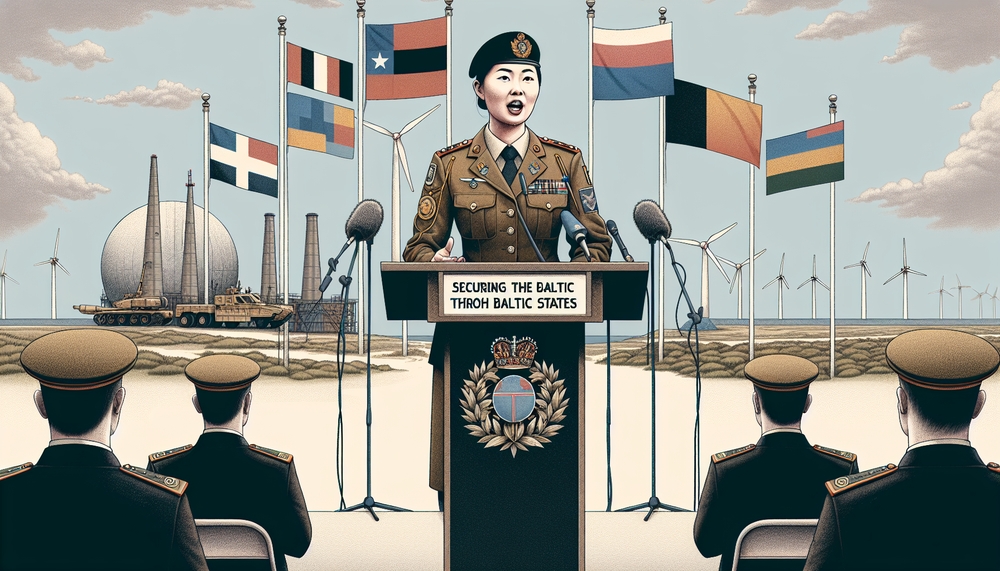
Baltic States’ Breakthrough in Energy Independence
The synchronization of the Baltic states’ power grids with the Continental Europe Network (CEN) on February 9 marks a transformative shift in the geopolitical landscape of Lithuania, Latvia, and Estonia. This decoupling from the Integrated Power System/United Power System (IPS/UPS) grid, under Moscow’s influence, ends a long-standing historical dependency on Russia for energy supply and stability. However, this achievement, while significant, highlights the continuous need for vigilance in protecting critical infrastructure from emerging hybrid threats.
Historical Energy Coercion
Lithuania, Latvia, and Estonia have long been at the receiving end of Russia’s coercive energy policies, which include total blockades, strategic supply interruptions, and economically punitive measures. Noteworthy incidents include the Lithuanian blockade in 1990 and the 2006 oil pipeline shutdown following Lithuania’s refusal to sell its refinery to Russian interests. These acts underscore Russia’s willingness to weaponize energy as a tool of geopolitical influence.
In recent years, the Baltic states have acted decisively to eliminate this vulnerability. Lithuania led the charge with the 2014 opening of its liquefied natural gas (LNG) terminal in Klaipėda, which allowed the region to source gas globally, including from the United States. This strategic move set the stage for a broader ban on Russian gas imports as the Ukraine conflict intensified in 2022, showcasing the Baltics’ commitment to energy independence.
Finalizing Synchronization
The integration of the Baltic states’ electricity grids with those of the EU has been a long-term strategic goal, cultivated since 2007. Despite numerous logistical, political, and regulatory challenges, the final stages of synchronization have been achieved with substantial EU financial support, amounting to over €1.2 billion. This connectivity ensures that no external party, particularly Russia, can disrupt the region’s energy supply control.
Emerging Threats to Infrastructure
While direct energy dependency on Russia has been severed, the threat paradigm has shifted. Reports of repeated damage to undersea cables and pipelines in the Baltic Sea indicate a possible increase in targeted infrastructure attacks, many involving Russia’s so-called “shadow fleet”. Incidents such as the damaged Balticconnector and communication cables indicate a potential strategy of sabotage, aimed at nationwide destabilization.
NATO’s response has been robust, enhancing its presence through the Baltic Sentry initiative. This includes comprehensive deployment of maritime patrols, drones, and frigates to secure the Baltic Sea—a critical step in protecting undersea critical infrastructure.
Proactive Measures in the Suwałki Gap
The geopolitical significance of the Suwałki Gap, a narrow corridor connecting Poland and Lithuania, cannot be overstated. This area is a potential flashpoint, bordered by Belarus and the Russian exclave of Kaliningrad, and strategically pivotal for NATO logistics and Baltic connectivity. An increased NATO presence here is imperative, alongside the development of a robust Baltic Defense Line to fortify the region against potential incursions.
Efforts to strengthen the security of onshore components, such as the LitPol Link, have already begun, with Lithuania’s Public Security Service taking charge of strategic sites. However, increasing the region’s security will require both localized enhancements and broader EU and NATO collaboration.
Building a Secure Future
The successful integration of the Baltic states into Europe’s power grid marks a historic milestone, but the journey towards a resilient and secure energy landscape in Northern Europe is ongoing. Ensuring the protection of critical energy infrastructure from hybrid threats by hostile actors remains central to maintaining sovereignty and stability.
As Lithuania, Latvia, and Estonia celebrate this newfound energy autonomy, they, together with their NATO allies, must continue to proactively adapt to the evolving security threats posed by Russia. Strengthening the defense of strategic infrastructure will be crucial in safeguarding the hard-won gains of energy independence while contributing to the broader vision of a secure and integrated European energy market.