
Published
- 3 min read
Top Energy Transition Challenges and Solutions for a Sustainable Future
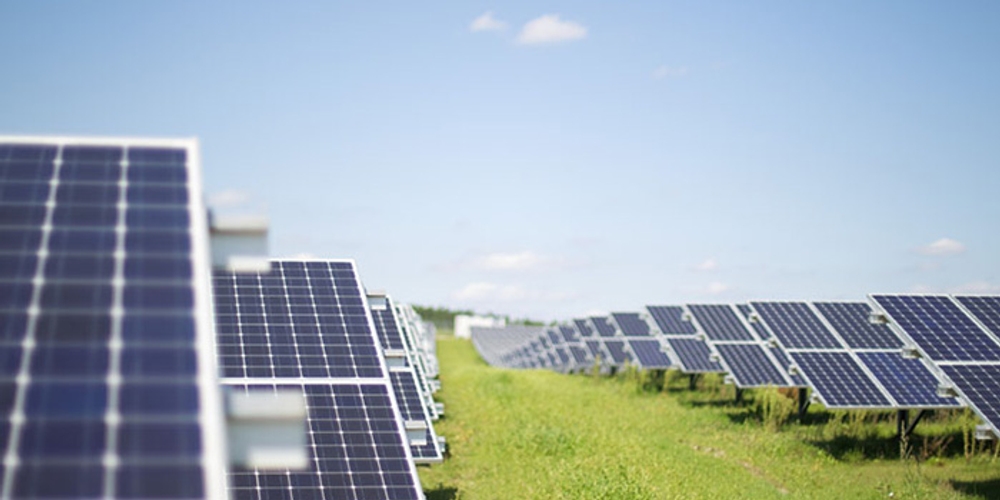
Understanding the Energy Transition: A Global Imperative
The shift toward decarbonization and renewable energy is one of the most critical global objectives. However, this energy transition is fraught with challenges that threaten to slow progress and amplify economic disparities. From integrating renewable energy sources to addressing resource constraints, achieving a sustainable future demands strategic innovation and collaboration.
Key Challenges in the Energy Transition
1. Intermittent Nature of Renewable Energy
Renewable sources like wind and solar power depend heavily on weather conditions, leading to fluctuations in energy generation. This intermittency makes it challenging to maintain consistent energy supplies, particularly during peak demand.
2. Insufficient Energy Storage
Energy storage systems are vital for balancing renewable energy production and consumption. However, current technologies, such as lithium-ion batteries, face limitations in cost, capacity, and scalability. Geographic constraints also hinder large-scale pumped storage solutions.
3. Resource Constraints and Geopolitics
The production of renewable energy technologies and storage systems relies on critical minerals like lithium and rare earth metals. Limited global supplies, coupled with geopolitical tensions, create vulnerabilities in supply chains.
4. Economic Disparities
Rising energy costs disproportionately affect low-income populations. Balancing affordability with sustainability remains a pressing concern, particularly in developing regions where access to electricity is still a challenge.
5. Public Perception of Nuclear Energy
Nuclear power offers high energy density and reliability, making it a potential complement to renewables. However, public skepticism and regulatory challenges have slowed its adoption, despite advancements in Small Modular Reactors (SMRs).
Practical Solutions to Overcome Energy Transition Challenges
Enhancing Renewable Energy Storage
Developing advanced storage technologies is essential for addressing the intermittency of renewables. Promising innovations include solid-state batteries, flow batteries, and green hydrogen production through electrolysis.
Streamlining Nuclear Power Implementation
Small Modular Reactors (SMRs) can provide scalable and flexible nuclear energy solutions. Governments and private entities must prioritize transparent policies and public education to address safety concerns and build trust in nuclear technology.
Diversifying Resource Supply Chains
Strategic investments in mining, recycling, and material innovation can reduce reliance on limited resources. Collaboration among nations can also ensure equitable access to critical minerals.
Strengthening Cross-Border Interconnections
Expanding transmission capacity across regions can improve grid reliability and optimize renewable energy distribution. For example, Europe’s investment in cross-border networks aims to alleviate bottlenecks and reduce energy costs.
Promoting Equity in Energy Policies
Policymakers must design subsidies, tax incentives, and financial programs to ensure that clean energy transitions do not disproportionately burden vulnerable populations. Public-private partnerships can help bridge affordability gaps.
The Role of Nuclear Energy in a Sustainable Future
Nuclear energy, particularly through SMRs, can play a pivotal role in the energy transition. These reactors offer a smaller environmental footprint, shorter construction timelines, and the ability to complement renewable energy sources. By 2050, nuclear power is expected to contribute significantly to global energy needs, provided investments in safety and infrastructure are prioritized.
Addressing Public Concerns
Building Trust in Nuclear Energy
Public perception of nuclear power can be improved through transparent communication about safety measures, waste management, and technological advancements. Governments and industries must actively engage with communities to foster acceptance.
Highlighting Success Stories
Case studies of successful nuclear and renewable energy projects can inspire confidence and showcase the potential of a balanced energy approach.
Conclusion
The global energy transition is a complex but necessary journey. Addressing challenges such as renewable intermittency, storage limitations, and resource constraints requires a multifaceted approach. By integrating renewable energy with nuclear power and investing in innovative solutions, nations can pave the way for a sustainable and resilient future.
Achieving this goal demands collaboration across sectors, transparent policies, and a commitment to equity. As we navigate this transition, let us embrace innovation and inclusivity to ensure that no one is left behind.
FAQ
What are the biggest challenges in the energy transition?
The biggest challenges include renewable energy intermittency, insufficient storage technologies, resource constraints, economic disparities, and public skepticism toward nuclear energy.
How can we address renewable energy limitations?
Enhancing energy storage, diversifying resources, and strengthening transmission networks are key steps to overcoming limitations.
Is nuclear energy necessary for the energy transition?
Yes, nuclear energy, especially through SMRs, offers a reliable and scalable complement to renewables, addressing energy needs during the transition.