
Published
- 3 min read
Breaking Barriers: Why the U.S. Hasn't Elected a Female President Yet
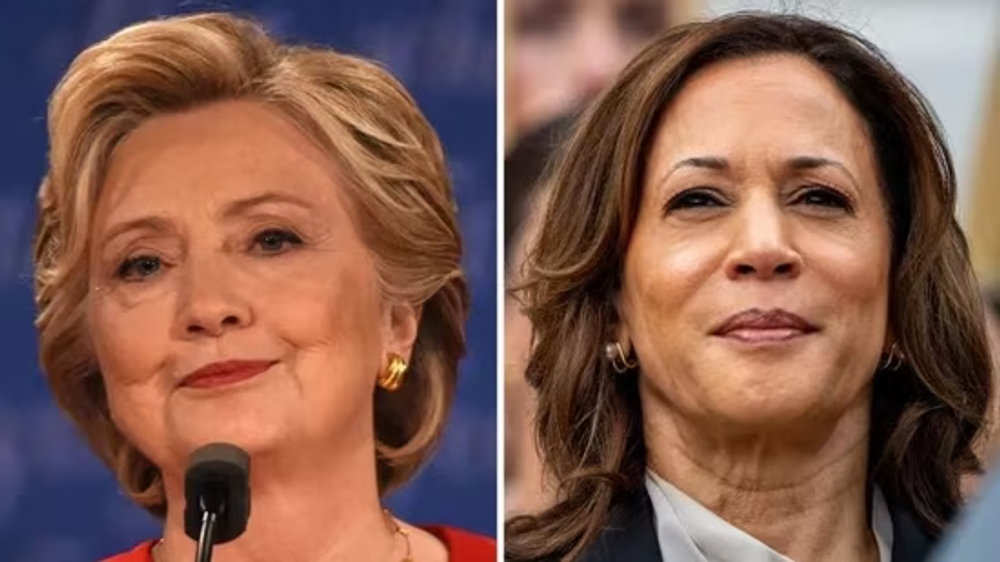
Despite significant strides toward gender equality in various facets of American life, the United States remains one of the few developed nations yet to elect a female president. The reasons behind this phenomenon are multifaceted, involving entrenched societal biases, political dynamics, and systemic challenges that continue to shape electoral outcomes.
Societal Perceptions and Gender Bias
Gender stereotypes play a profound role in influencing voter behavior. Research has consistently shown that leadership traits traditionally associated with masculinity, such as assertiveness and competitiveness, are more readily aligned with executive roles like the presidency. In contrast, women in leadership are often scrutinized more harshly, with their likability and competence frequently questioned in ways their male counterparts are not.
For instance, studies have demonstrated that when women display the same assertive behavior as men, they are often perceived as abrasive or unlikable. This double bind—where women must appear both authoritative and approachable—creates an almost impossible standard to meet, discouraging voters from embracing female candidates.
The Impact of Media Coverage
Media coverage of female candidates also reinforces gendered narratives. Women running for high office often find their campaigns framed around personality traits or issues stereotypically associated with women, such as healthcare or education, rather than being evaluated on broader policy platforms. This not only perpetuates existing biases but also diminishes their perceived readiness to tackle “masculine” policy areas like national security or defense.
Moreover, women of color face an additional layer of intersectional bias, being stereotyped based on both gender and race. These compounded biases further marginalize their voices and hinder their campaigns.
Historical Precedents and Political Dynamics
Globally, many nations that have elected female leaders, such as the UK, Germany, and India, did so under specific circumstances that facilitated their rise. These leaders often hailed from conservative or dynastic backgrounds, which helped them navigate the electorate’s biases more effectively. For example, Margaret Thatcher and Angela Merkel operated within political systems and ideologies that enabled them to project strength and stability, qualities highly valued in executive leadership.
In the U.S., the two most prominent female presidential candidates, Hillary Clinton in 2016 and Kamala Harris in 2024, faced significant challenges unrelated to their qualifications. Clinton battled decades of public scrutiny and skepticism, while Harris contended with economic dissatisfaction and anti-incumbency sentiments. Both campaigns underscored how systemic and situational factors, combined with gender biases, create formidable obstacles for female candidates.
Cultural and Structural Challenges
Beyond individual campaigns, the U.S. political system itself poses unique barriers. The head-to-head nature of presidential elections intensifies the scrutiny of candidates, amplifying biases against women. Additionally, the lack of robust childcare support and family-friendly policies in political careers disproportionately affects women, particularly mothers, limiting their ability to rise through the ranks.
Cultural attitudes toward leadership also play a role. The notion of a female commander-in-chief leading the world’s most powerful military challenges deeply ingrained perceptions of authority and strength. Until these perceptions evolve, women will continue to face an uphill battle for the presidency.
Building Toward Change
To break this cycle, systemic and cultural shifts are necessary. Encouraging more women to enter politics at all levels and normalizing their presence in leadership roles can help reshape public perceptions. Campaigns must also address voters’ concerns beyond gender, focusing on policies and qualifications while countering stereotypes with targeted messaging.
Moreover, political parties should prioritize structural reforms, such as providing childcare support for candidates and creating mentorship pipelines to develop future female leaders. By fostering a more inclusive political environment, the U.S. can pave the way for a woman to ascend to the highest office.
Conclusion
Electing a female president in the United States requires confronting deeply rooted biases and systemic barriers. While progress has been made, much work remains to dismantle the societal and institutional constraints that hinder women’s political advancement. By challenging stereotypes, supporting female candidates, and fostering cultural change, the nation can move closer to achieving gender parity in its highest leadership role.