
Published
- 3 min read
The Risks of Alienating Nations: How Isolation Can Lead to Strategic Alignments
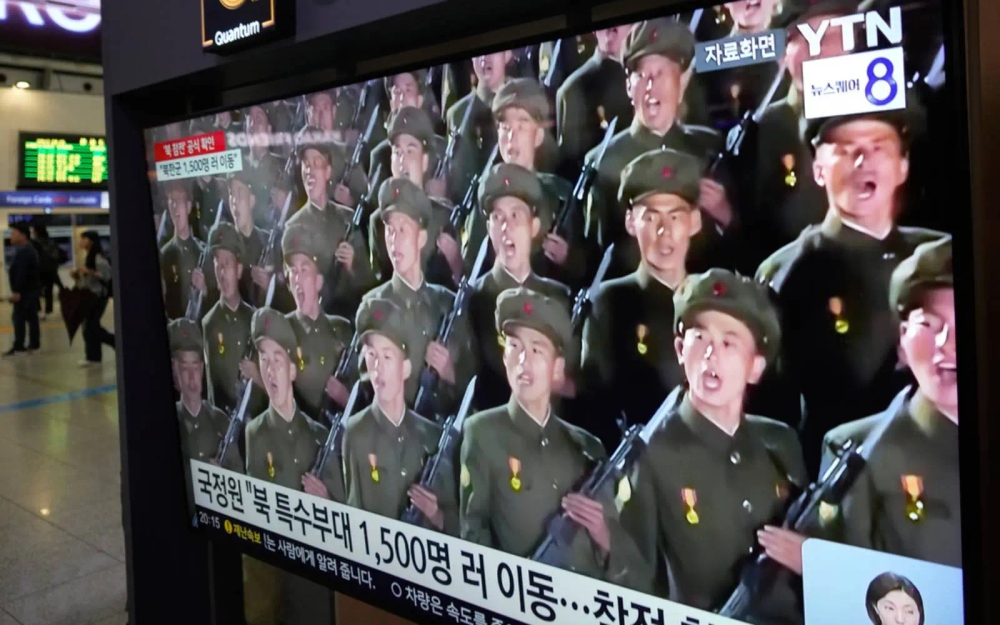
In today’s complex geopolitical landscape, isolating a country can backfire dramatically, often resulting in a partnership with opposing forces. When a nation is sidelined from the global community for an extended period, it has few options but to seek allies among adversaries, forming strategic alliances that can shift global power dynamics in unexpected ways.
The Consequences of Isolation
When nations face international sanctions, embargoes, or diplomatic isolation, they don’t merely disappear from the global stage. Instead, they adapt, often reaching out to countries willing to assist them—sometimes as a countermeasure against those who imposed restrictions. This phenomenon has been observed repeatedly: isolated nations find new allies, often among global powers vying to extend their influence.
For example, the alignment of countries under restrictive measures, such as North Korea and Iran, with powerful allies demonstrates how isolation often breeds stronger, more determined partnerships. The countries in isolation don’t simply acquiesce; rather, they frequently leverage their strategic value to win support, even from unexpected quarters. Such partnerships are not simply alliances of convenience—they become integral, strategic ties that can reshape regional stability and even global security.
How Isolation Encourages Cooperation with Adversaries
From a geopolitical standpoint, isolated countries have an incentive to cooperate with global powers that stand in opposition to those isolating them. The logic is straightforward: by aligning with adversaries of their isolators, these countries gain valuable resources, military support, and political backing. This new alignment does not merely counterbalance the isolation—it actively threatens those who initiated it by creating adversarial alliances.
One of the clearest examples in recent years is the deepening partnership between nations that are traditionally isolated by the West. By aligning with powers like Russia or China, isolated countries obtain resources and assistance that they would otherwise lack, including technological advancements and military capabilities. These new partnerships also send a signal to the international community: alienating a country for too long can create a formidable new alliance that may pose a direct challenge to the global order.
The Role of Resources in Forming Strategic Alliances
Resources play a crucial role in such partnerships. Often, isolated nations have untapped resources that they can offer to allies in return for support. Whether it’s access to energy reserves, rare minerals, or strategic military positioning, isolated countries possess valuable assets that make them attractive to powerful allies. For instance, North Korea has, at times, used its military assets as leverage, while countries like Iran have offered oil in exchange for military and economic support.
By tapping into each other’s resources, isolated nations and their allies create interdependencies that solidify their alliances. The resources exchanged are often not just economic but also strategic, enhancing the military capabilities and global influence of both parties. Over time, these transactions evolve into broader strategic partnerships, often including mutual defense pacts or intelligence-sharing agreements.
Alienation as a Long-Term Security Risk
Isolating countries over prolonged periods can, therefore, become a security risk, as it potentially drives them into the arms of your adversaries. While isolation might initially seem like a strategy to weaken or destabilize a nation, the long-term effects can be quite the opposite. By creating conditions for partnership with adversaries, isolating countries inadvertently set the stage for the formation of a bloc that might oppose their interests on a global scale.
As global superpowers engage with isolated nations, they can increase their influence in ways that disrupt existing power balances. These alignments don’t merely create regional powerhouses; they craft global coalitions capable of challenging traditional alliances and potentially reshaping geopolitical stability. The alliances formed through prolonged alienation are often resilient, as they are born from mutual need and shared opposition to isolationist tactics.
Reassessing the Impact of Isolationist Policies
Given these considerations, policymakers should carefully weigh the potential ramifications of isolating a country. The immediate goals of sanctions or diplomatic isolation—such as curbing a country’s aggression or economic influence—may be achieved in the short term. However, the long-term effects often include driving the isolated nation toward alliances with adversaries, which can ultimately weaken the position of those who initiated the isolation.
Rather than pursuing prolonged isolation, a balanced approach that includes pathways for reintegration and dialogue could yield more sustainable results. Creating conditions that allow for measured engagement can prevent alienated countries from seeking assistance from adversarial powers. By fostering diplomatic channels and offering incentives for reintegration, policymakers may better manage international stability, reducing the risk of inadvertently strengthening opposition alliances.
Conclusion
In conclusion, alienating a country for extended periods may achieve immediate goals but often comes with unintended consequences. Prolonged isolation can drive nations into alliances with adversarial powers, leading to new threats to global security and stability. As nations grapple with the complexities of international relations, understanding the risks of isolationist policies—and pursuing balanced, engagement-focused alternatives—can prevent the emergence of formidable adversarial alliances and foster a more stable global order.