
Navigating the Challenges of Russian Hybrid Warfare
Published
- 3 min read
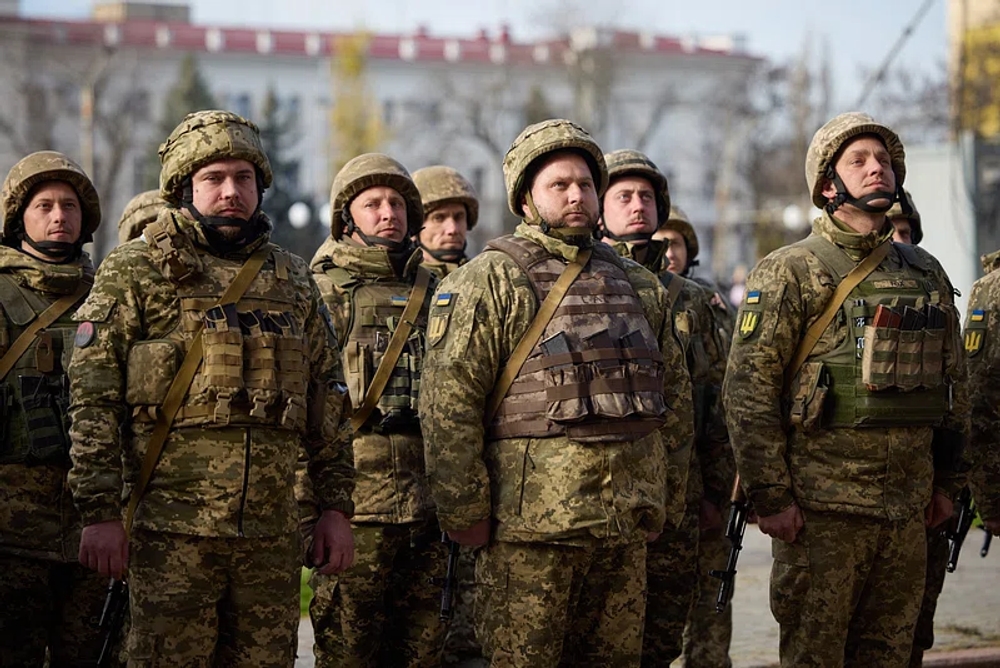
In recent years, the geopolitical landscape has been increasingly shaped by the complexities of hybrid warfare, particularly as employed by Russia. This multifaceted approach combines conventional military tactics with unconventional methods such as cyber attacks, disinformation campaigns, and economic coercion. As tensions rise globally, particularly in Eastern Europe, understanding the nuances of Russian hybrid warfare becomes essential for both policymakers and the public.
Understanding Hybrid Warfare
Hybrid warfare is characterized by its blend of traditional military force and non-traditional tactics. Russia’s strategy has evolved significantly since the annexation of Crimea in 2014. Initially, the Kremlin relied heavily on direct military intervention; however, as international scrutiny intensified, it shifted towards more covert operations that exploit vulnerabilities in the information domain.
The Role of Information Warfare
Information warfare remains a cornerstone of Russia’s hybrid tactics. The Kremlin utilizes state-controlled media outlets like RT and Sputnik to disseminate narratives that undermine Western democratic institutions. These platforms have been supplemented by social media campaigns that employ troll farms to amplify divisive content and spread misinformation. The effectiveness of these strategies lies in their ability to create confusion and sow discord within target populations.
Recent developments suggest that Russia is increasingly leveraging partnerships with foreign influencers to propagate its narratives. This tactic not only enhances the credibility of its messaging but also complicates efforts to counteract disinformation campaigns. As a result, Western nations must adapt their strategies to address these evolving threats.
Geopolitical Implications
The implications of Russian hybrid warfare extend beyond immediate military concerns. The Kremlin’s narrative framing positions it as a defender against Western imperialism, appealing particularly to audiences in the Global South who harbor historical grievances against Western powers. This strategic positioning allows Russia to cultivate alliances and influence in regions traditionally dominated by Western interests.
Moreover, as Russia faces isolation from the West due to its actions in Ukraine, it has sought to strengthen ties with countries in Africa, Asia, and Latin America. By presenting itself as a counterbalance to Western hegemony, Russia aims to reshape global power dynamics in its favor.
The NATO Narrative
A significant aspect of Russia’s hybrid strategy involves framing NATO expansion as a direct threat to its national security. This narrative resonates with various international audiences who are skeptical of Western intentions. Despite evidence suggesting that NATO poses no real threat—highlighted by Russia’s passive response to Finland and Sweden’s accession—this narrative continues to serve as a justification for aggressive posturing in Ukraine.
As peace negotiations loom, it is crucial for Western policymakers to recognize the potential dangers of conceding to Russian demands for Ukrainian neutrality or limitations on NATO expansion. Such outcomes could embolden further aggression and destabilize regional security.
Countering Hybrid Warfare
To effectively counter Russian hybrid warfare, a multifaceted approach is necessary. Western nations must prioritize international cooperation to share intelligence and develop coordinated responses to disinformation campaigns. This includes establishing collaborative task forces that can operate in real-time to address emerging threats.
Furthermore, it is essential for governments to balance efforts against disinformation with the protection of free speech. Overly aggressive censorship measures can backfire, leading to accusations of authoritarianism and further alienating populations.
Conclusion
As hybrid warfare continues to evolve, so too must the strategies employed by those seeking to counteract it. The West faces a critical juncture where innovative approaches are required not only to safeguard national interests but also to uphold democratic values in an increasingly complex global environment. Understanding and addressing the challenges posed by Russian hybrid warfare will be pivotal in shaping future international relations.